EN

how disposable nitrile gloves of know if
2026/11/12
BBQ gloves are an essential tool for anyone involved in grilling or barbecuing, providing protection from heat and flames. However, many buyers may wonder, "What are BBQ gloves made of?" Understanding the materials, specifications, and manufacturing processes behind these gloves is crucial for making informed purchasing decisions. This article will delve into the materials used in high-quality bbq gloves, how to select the right gloves for specific manufacturing needs, sourcing options for bulk orders, and the cost factors that influence pricing for industrial buyers.
High-quality BBQ gloves are often made from a combination of materials designed to provide heat resistance, durability, and flexibility. The most common materials include silicone, leather, and various synthetic fabrics, such as aramid fibers.
Silicone: This material offers excellent heat resistance and is often waterproof, making it easy to clean. Silicone gloves are typically flexible, allowing for a good grip on food items.
Leather: While not as heat-resistant as silicone, leather gloves provide a good balance of comfort and durability. They are often used in combination with other materials for added protection.
Aramid Fibers: Gloves made from aramid fibers, such as Kevlar, are engineered to withstand high temperatures and provide excellent cut resistance. These gloves are ideal for professional settings where safety is paramount.
Understanding the composition of BBQ gloves is important, as different materials offer varied levels of protection and usability, depending on the specific grilling environment.
When selecting BBQ gloves for manufacturing or industrial applications, consider the following factors:
Heat Resistance: Determine the maximum temperature the gloves will be exposed to. High-quality gloves typically have a temperature rating, which should align with your specific grilling needs.
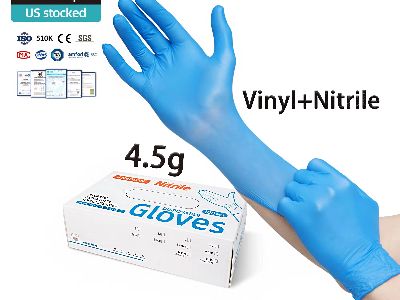
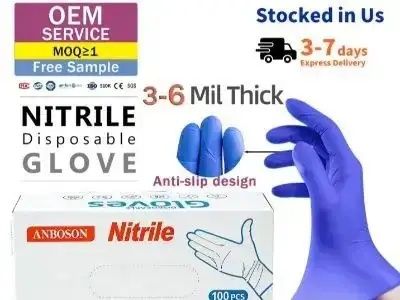
Grip and Dexterity: Evaluate the glove's grip capabilities. A nitrile bbq gloves that offers good dexterity will enhance safety and efficiency, making it easier to handle hot food and tools.
Durability: Consider the intended usage frequency. For heavy-duty applications, gloves made from reinforced materials like aramid fibers may be necessary, while lighter materials may suffice for occasional use.
Comfort and Fit: Ensure that the gloves fit well and are comfortable for extended periods of use. Poorly fitting gloves can lead to accidents and discomfort.
Customization Options: If your business requires branded gloves or specific features, inquire about customization capabilities from your supplier.
Selecting the right gloves based on these criteria will ensure that they meet your operational needs while providing the necessary safety.
When sourcing BBQ gloves for bulk orders, consider the following avenues:
Direct Manufacturers: Partnering with manufacturers like Anboson Technology can provide direct access to high-quality gloves tailored to your specifications. With 20 years of experience and advanced production capabilities, they can accommodate OEM/ODM requests.
Distributors: Established distributors often carry a variety of brands and types of gloves, allowing for easier comparisons and quicker access to products.
Trade Shows: Attending industry trade shows can connect you with manufacturers and suppliers, providing an opportunity to see products firsthand and discuss your specific needs.
Online Marketplaces: While these can offer convenience, ensure that suppliers are reputable and provide detailed product specifications and certifications.
Sourcing from reliable channels not only ensures product quality but also fosters long-term supplier relationships that can benefit your business.
Cost factors for BBQ gloves can vary significantly based on several elements:
Material Quality: Higher-quality materials, such as aramid fibers or silicone, generally incur higher production costs, leading to increased prices. This is particularly relevant for gloves designed for heavy-duty applications.
Customization: If you require specific designs, sizes, or branding, customization can add to the cost. Be sure to discuss these requirements early in the procurement process to understand their impact on pricing.
Order Quantity: Bulk orders may qualify for discounts, while smaller orders might not. Understanding minimum order quantities (MOQ) and negotiating pricing based on volume can lead to significant savings.
Shipping and Handling: Factor in shipping costs, which can vary based on the supplier's location and your delivery requirements.
Certification and Compliance: Gloves that meet specific safety standards (e. g., ISO/CE certifications) may carry higher costs due to rigorous testing and quality control processes.
By understanding these cost factors, industrial buyers can make more informed purchasing decisions and optimize their budgets.
To effectively assess BBQ gloves, it’s essential to understand the technical specifications that impact their performance:
Thickness: The thickness of the glove material affects its heat resistance and flexibility. Thicker materials may offer better protection but can reduce dexterity.
Grip Texture: The surface texture of the glove enhances grip. A textured surface is preferable for handling slippery items, such as marinated meats.
Water Resistance: For BBQ gloves exposed to moisture, water-resistant materials can prevent steam burns and provide better handling of wet foods.
Cleaning and Maintenance: Consider the ease of cleaning when selecting gloves. Silicone black bbq gloves, for instance, are typically dishwasher safe, while leather gloves may require special care.
Safety Ratings: Look for safety ratings that indicate the glove’s performance in heat resistance, cut resistance, and other relevant factors.
Understanding these specifications will help buyers evaluate the suitability of BBQ gloves for their specific applications, ensuring safety and efficiency in their operations.
In summary, knowing what BBQ gloves are made of, how to choose the right ones, where to source them, and the cost factors involved can significantly enhance the purchasing experience for B2B buyers. By leveraging expert insight and industry experience, companies can ensure they invest in the right protective gear for their grilling and barbecuing needs.
2026/11/12
2026/11/11
2026/11/10
2026/11/09
2026/11/08
2026/11/07

From your logo to your spec, we turn your brand vision into certified reality. Our automated clean-room factory delivers fully customized OEM/ODM nitrile gloves with complete compliance support — FDA 510K, CE, ISO 13485, SGS and more. Low MOQ, free samples, 100% QC on every batch, and responsive after-sales — partner with us for worry-free, certified supply.