EN

how disposable nitrile gloves of know if
2026/11/12
When it comes to ensuring food safety in various applications, knowing what disposable gloves are food safe is essential for manufacturers, distributors, and purchasing managers. Food-safe gloves are critical in preventing contamination and maintaining hygiene standards, especially in food handling and processing environments. This article will delve into the key considerations for selecting food-safe disposable gloves, focusing on nitrile options, which are known for their strength and resistance properties, and provide insights to help inform your purchasing decisions.
Selecting food-safe disposable gloves requires careful consideration of several factors to ensure compliance with safety regulations and effective performance. First and foremost, make sure the gloves are manufactured from materials that meet industry standards. Nitrile gloves, for example, are an excellent choice due to their puncture resistance and durability compared to latex or vinyl alternatives. Additionally, check for certifications like ISO and CE, which indicate that the powder free disposable gloves have been tested for safety and quality. Buyers should also consider the glove's thickness and fit thicker gloves may offer better protection but can reduce dexterity, while a snug fit is crucial for tasks requiring precision. Another factor to evaluate is the gloves' resistance to oils and chemicals, especially if the food being handled could introduce contaminants.
When assessing food-safe disposable gloves, several key specifications are essential for ensuring they meet your needs:
Material Composition: Nitrile is preferred for its chemical resistance and comfort. Ensure the gloves are free from allergens such as latex, which can pose risks to certain users.
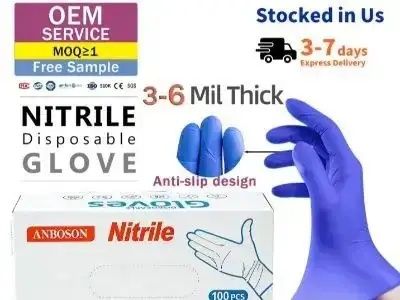
Thickness: Measured in mils (thousandths of an inch), thickness affects durability and sensitivity. For food handling, a thickness of 3 to 6 mils is typically sufficient.
Length and Cuff Style: Longer gloves provide additional forearm protection. Cuff styles beaded or rolled can enhance the glove's fit and prevent slipping.
Texture: Textured gloves offer improved grip, which can be beneficial when handling wet or slippery items.
Certifications: Look for FDA-approved disposable gloves nitrile large specifically designed for food contact to ensure compliance with safety regulations.
Understanding these specifications helps buyers select gloves suitable for their food safe disposable gloves specific applications, ensuring both safety and functionality.
Cost is a pivotal factor in purchasing food-safe disposable gloves, and several elements influence pricing. While nitrile gloves tend to be more expensive than latex and vinyl options, their durability and protective qualities often justify the higher cost.
Key cost factors include:
Material: The choice of material affects the price, with nitrile typically commanding a premium due to its superior properties.
Volume Discounts: Purchasing in bulk can lead to significant savings. Manufacturers like Anboson Technology, with high production capacity, can offer competitive pricing for larger orders.
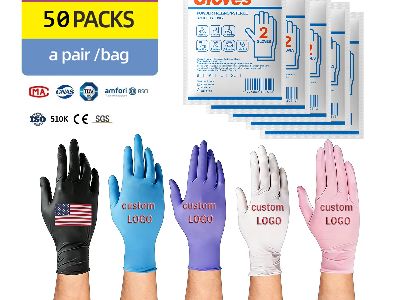
Customization: Custom features such as logo printing or specific sizing can increase costs. Buyers should evaluate whether these features are necessary for their operations.
Shipping and Handling: Consider the logistics costs in your total budget. Shipping fees can vary based on order size and destination.
By understanding these cost factors, buyers can budget effectively and identify options that meet both their safety requirements and financial constraints.
Nitrile disposable gloves provide numerous advantages for food safety applications, making them a preferred choice among industry professionals.
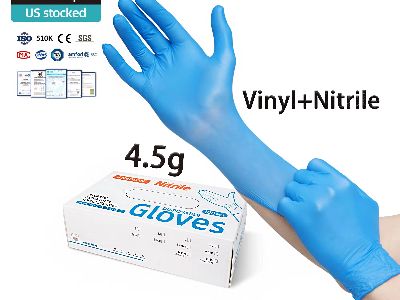
Durability: Nitrile gloves are more resistant to punctures, tears, and chemicals than latex or vinyl, providing better protection during food handling.
Comfort: The flexibility of nitrile offers a good balance between strength and dexterity, allowing users to handle food items with precision without sacrificing comfort.
Allergy-Friendly: Unlike latex gloves, nitrile gloves are hypoallergenic, making them suitable for sensitive individuals and reducing the risk of allergic reactions.
Oil and Chemical Resistance: Nitrile’s resistance to oils and fats is particularly advantageous in food processing, where exposure to different substances is common.
Versatility: These nitrile disposable gloves food safe can be used across various food-related applications, from food preparation to serving, making them a versatile choice for businesses in the food industry.
By choosing nitrile gloves, companies can enhance their food safe disposable gloves food safety protocols, protect their employees, and maintain compliance with health regulations.
Finding a trustworthy supplier of food-safe disposable gloves is essential for ensuring quality and compliance. Here are some practical tips for identifying reliable manufacturers:
Reputation and Experience: Look for suppliers with a proven track record in the industry. An established manufacturer like Anboson Technology, with 20 years of experience, is likely to provide high-quality products.
Certifications and Compliance: Ensure that the supplier's gloves meet relevant safety standards and possess necessary certifications, such as ISO and CE.
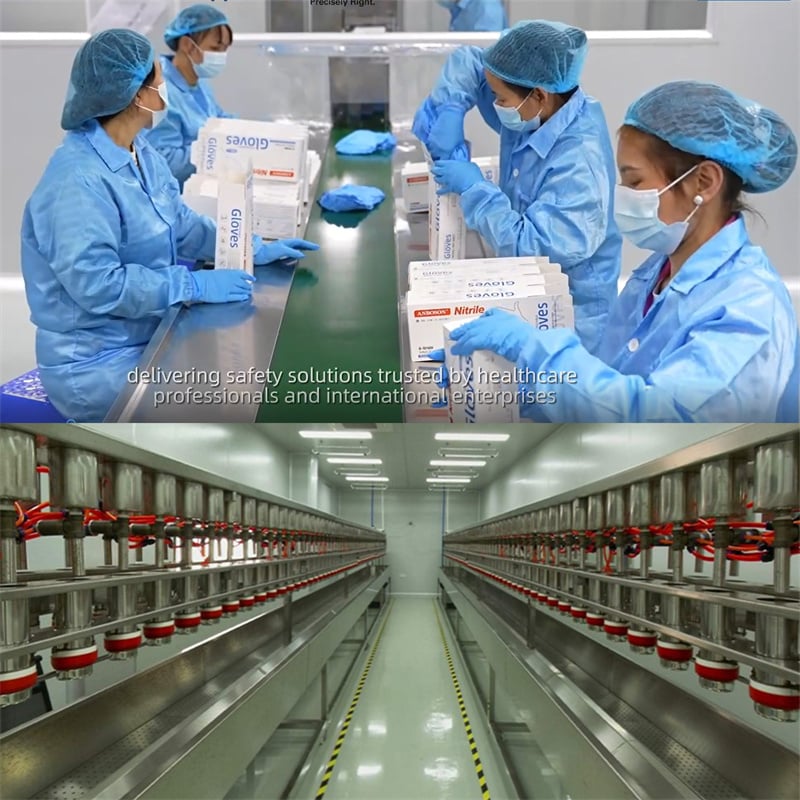
Production Capabilities: Investigate the supplier’s manufacturing processes and technology. Advanced production techniques, such as chlorination technology used by Anboson, can enhance product quality.
Customer Support: A reliable supplier should offer excellent customer service, including assistance with product food safe disposable gloves selection, customization options, and timely responses to inquiries.
Sample Availability: Request samples before placing a bulk order to evaluate the glove's quality, fit, and performance in real-world applications.
By applying these criteria, purchasers can confidently select suppliers who will meet their needs while adhering to food safety standards.
2026/11/12
2026/11/11
2026/11/10
2026/11/09
2026/11/08
2026/11/07

From your logo to your spec, we turn your brand vision into certified reality. Our automated clean-room factory delivers fully customized OEM/ODM nitrile gloves with complete compliance support — FDA 510K, CE, ISO 13485, SGS and more. Low MOQ, free samples, 100% QC on every batch, and responsive after-sales — partner with us for worry-free, certified supply.