Choosing the Best Green Nitrile Gloves for Safety

Contact us for free samples!

application/green-nitrile-gloves, application/green-nitrile-gloves, 
Inquiry
application/green-nitrile-gloves, application/green-nitrile-gloves, 
Inquiry

green nitrile gloves

Green&nbsp; nitrile gloves are an essential safety product&nbsp; widely used across&nbsp; various&nbsp; industries for their excellent barrier&nbsp; properties&nbsp; and durability. As a B2B&nbsp; buyer,&nbsp; your primary concerns may&nbsp; include&nbsp; material quality, application suitability, and compliance&nbsp; with industry standards. This article will&nbsp; guide&nbsp; you&nbsp; through&nbsp; selecting the right green nitrile gloves for your business needs,&nbsp; understanding key specifications,&nbsp; addressing common issues, exploring&nbsp; their applications,&nbsp; and providing installation guidance&nbsp; for effective use.</p>

Why choose ANBOSON green nitrile gloves

Choosing the Right Green Nitrile Gloves for Your Wholesale Needs

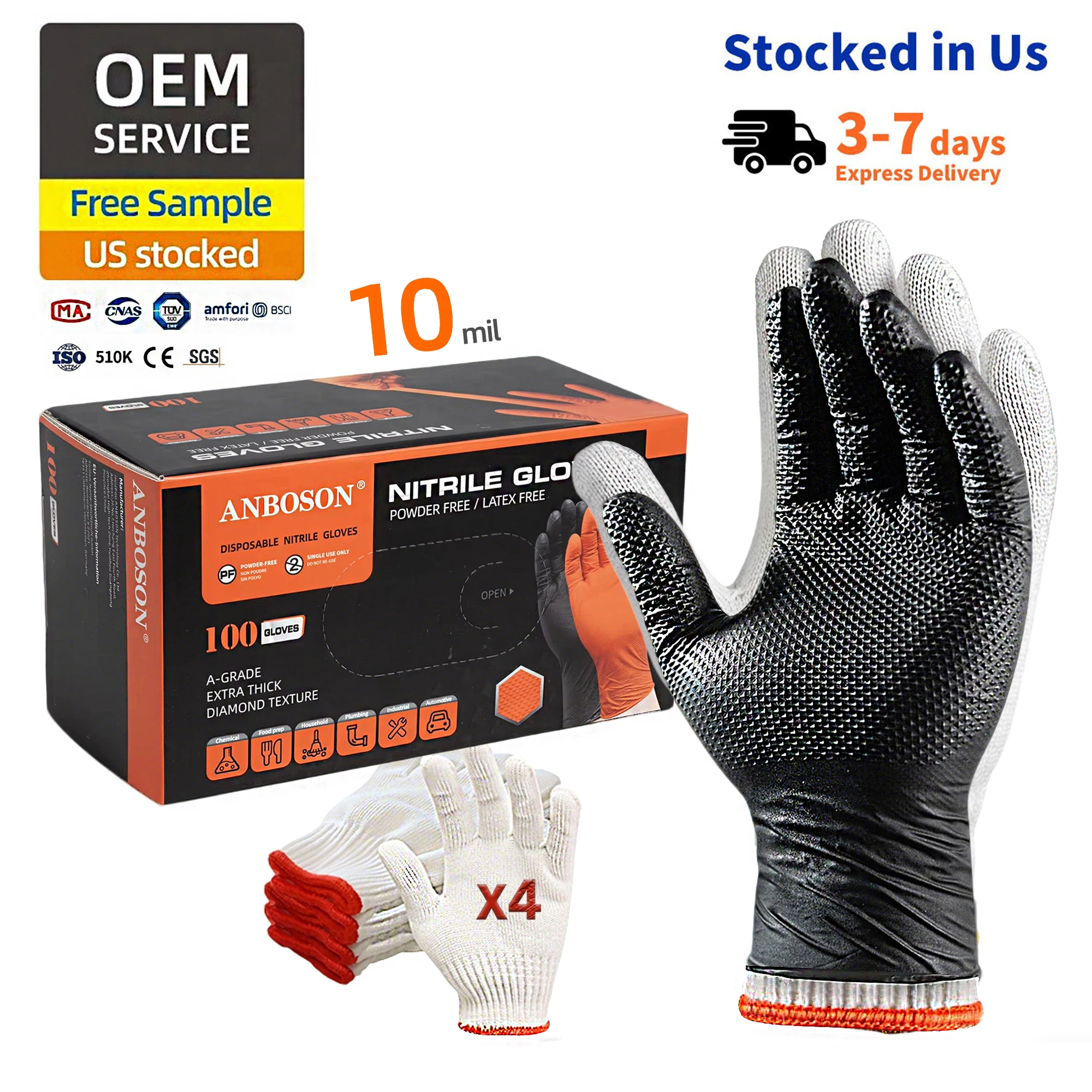
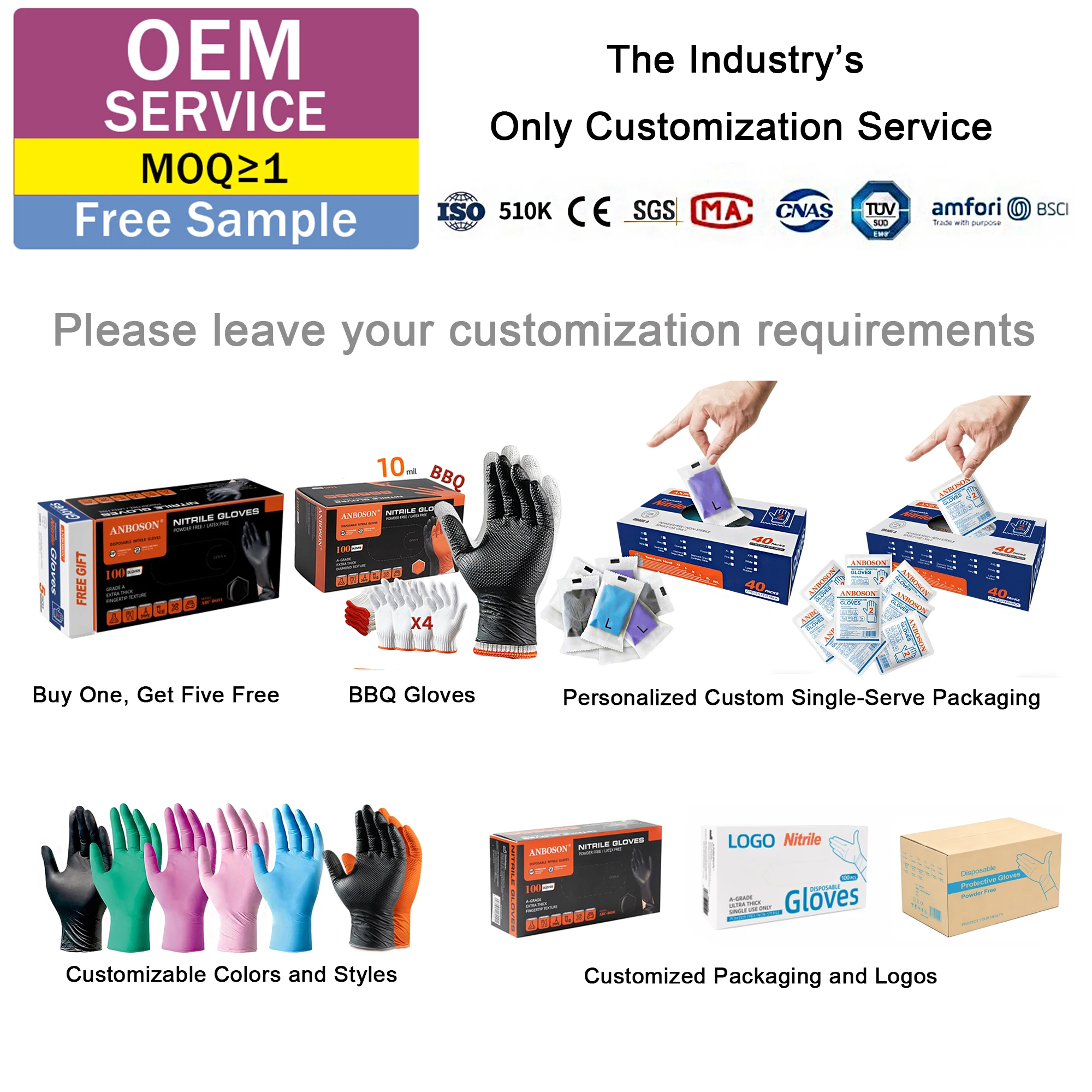
Selecting the right green nitrile gloves involves considering several factors tailored to your specific operational requirements. First, assess the intended use: are they needed for automotive work, healthcare,&nbsp; food processing, or another application? Each industry may have different requirements&nbsp; for thickness, grip,&nbsp; and chemical resistance. For example, in automotive workshops, gloves like Black Blend Nitrile Gloves can provide excellent protection from oils and solvents.

Next, consider the&nbsp; fit and dexterity needed for your tasks. Gloves that are too&nbsp; large may slip, reducing safety,&nbsp; while those&nbsp; that&nbsp; are too tight can hinder movement. It's also essential to evaluate the glove's tensile strength and puncture resistance, particularly in environments where sharp objects&nbsp; are handled.

Lastly, confirm any certifications relevant to your industry,&nbsp; such as ISO&nbsp; or CE certifications, which indicate compliance&nbsp; with safety&nbsp; and quality standards. Anboson Technology, with two&nbsp; decades of&nbsp; experience&nbsp; in manufacturing&nbsp; nitrile&nbsp; gloves, ensures that its products meet rigorous&nbsp; industry standards,&nbsp; making them a reliable choice.

Frequently Asked Questions

Our Blog Posts

What Our Partners Say

Key Specifications of High-Quality Green Nitrile Gloves Explained

Key Specifications of High-Quality Green Nitrile Gloves Explained

Understanding&nbsp; the key specifications of green nitrile gloves is critical for making&nbsp; informed purchasing decisions. Here are several important specifications to consider:

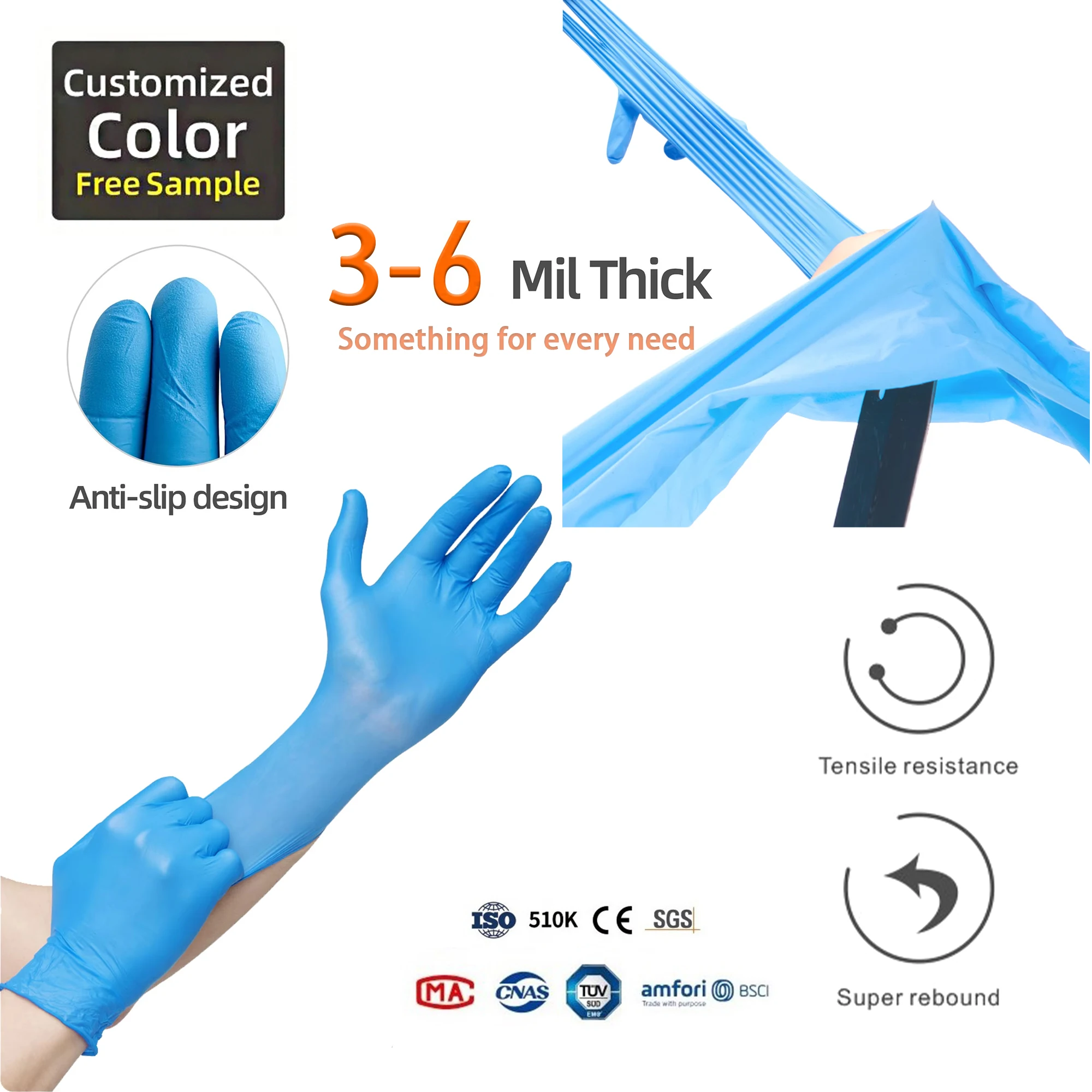
<strong>Thickness</strong>:&nbsp; The thickness of nitrile gloves&nbsp; typically ranges from 3&nbsp; to 8 mils. Thicker gloves offer greater protection but may reduce dexterity. For tasks requiring fine motor skills, thinner&nbsp; gloves&nbsp; may be more suitable.

<strong>Length</strong>: Standard gloves are usually 9 to 12 inches&nbsp; long. Longer gloves provide additional protection for the forearm, which can be crucial in certain&nbsp; applications, such as chemical handling or medical environments.

<strong>Material Composition</strong>: Nitrile is known for its oil and chemical resistance. It’s essential to verify&nbsp; that the gloves are made from high-quality&nbsp; nitrile material to&nbsp; ensure maximum protection and durability.

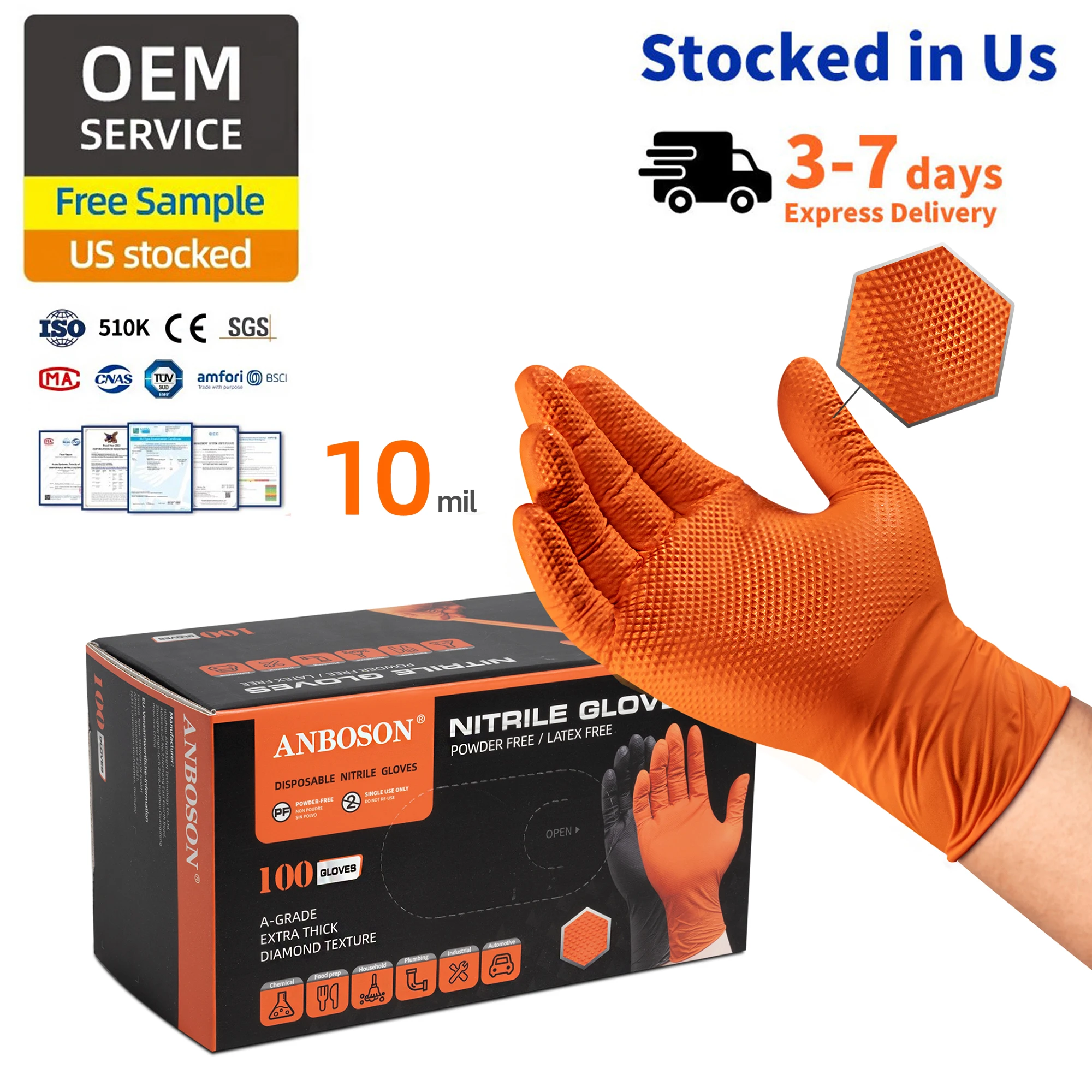
<strong>Grip and Texture</strong>: Some gloves feature textured surfaces for better grip, which can be vital in wet or oily conditions. This specification can significantly affect safety and efficiency in various tasks.


<strong>Certification</strong>: Ensure that the gloves have the&nbsp; necessary certifications,&nbsp; such&nbsp; as ISO or CE. These&nbsp; certifications can attest to the gloves' safety and performance in specific applications.


By carefully considering these specifications, you&nbsp; can select gloves that&nbsp; not only meet safety standards but also enhance efficiency in your operations.

How to Evaluate Supplier Reliability for Nitrile Gloves Purchases

How to Evaluate Supplier Reliability for Nitrile Gloves Purchases

While nitrile gloves&nbsp; are favored&nbsp; for their durability, several&nbsp; common issues can arise&nbsp; during use. Understanding these problems and their solutions can enhance your purchasing decisions.

<strong>Tearing or Puncturing</strong>: Nitrile gloves can tear if not properly fitted or if subjected to sharp objects. To mitigate this risk, ensure that the gloves&nbsp; are the correct size and consider selecting gloves with enhanced puncture resistance for high-risk environments.

<strong>Allergic Reactions</strong>: Some users may experience allergies to certain glove materials. Green nitrile&nbsp; gloves are latex-free, making them a suitable&nbsp; option for individuals with latex allergies. Always confirm this&nbsp; with&nbsp; your supplier.


<strong>Chemical Compatibility</strong>: Not all nitrile gloves offer the same level of chemical resistance.&nbsp; Review the chemical compatibility chart provided by the manufacturer to&nbsp; ensure that the gloves are suitable for the&nbsp; substances they will contact.</p> 

<strong>Degradation Over&nbsp; Time</strong>: Nitrile gloves can degrade when exposed to heat or sunlight.&nbsp; Store gloves in a cool, dark place to prolong their shelf life and ensure&nbsp; that they&nbsp; maintain their protective properties.

Understanding these challenges allows you to proactively address potential&nbsp; issues, ensuring&nbsp; a safer working environment.

Finding Trusted Manufacturers of Nitrile Gloves

Finding Trusted Manufacturers of Nitrile Gloves

Green nitrile&nbsp; gloves&nbsp; are versatile and find applications across multiple&nbsp; industries due to their protective features. Here are some key sectors&nbsp; where they are commonly used:

<strong>Healthcare</strong>: In hospitals and clinics, green nitrile gloves&nbsp; provide a reliable barrier against pathogens&nbsp; and bodily fluids, ensuring the safety of both healthcare workers and patients.

<strong>Food Processing</strong>: These gloves are&nbsp; widely used in&nbsp; the food industry, as they are resistant to oils and fats, making them ideal for food handling and preparation.&nbsp; Their latex-free nature also helps prevent allergic reactions among food&nbsp; handlers.

<strong>Automotive</strong>: In automotive workshops, nitrile gloves&nbsp; protect workers from oils, solvents, and other chemicals. Their durability&nbsp; and grip make them suitable for assembly&nbsp; tasks and maintenance. For instance, Blue Nitrile Gloves are also a popular choice in this sector.

<strong>Manufacturing</strong>: Nitrile gloves&nbsp; are essential in manufacturing environments, protecting workers from sharp edges, chemicals, and contaminants while maintaining dexterity.

<strong>Cleaning Services</strong>: In cleaning applications,&nbsp; green nitrile gloves offer excellent&nbsp; protection against harsh cleaning agents, ensuring worker safety during sanitation tasks.


By selecting gloves&nbsp; tailored to these applications,&nbsp; businesses can&nbsp; enhance safety and productivity.

Installation Guidelines for Optimal Use of Nitrile Gloves in Projects

Proper installation and use of green nitrile gloves are vital for maximizing their protective benefits. Here are practical steps to&nbsp; ensure effective use:

<strong>Hand Preparation</strong>: Before donning gloves,&nbsp; ensure that hands are clean and dry.&nbsp; Moisture can reduce grip and increase the likelihood of tearing.

<strong>Correct Sizing</strong>: Choose the correct glove size for each user. Gloves should fit snugly without being overly tight. Consider&nbsp; providing a sizing guide to help employees select the right size.

<strong>Proper Donning</strong>: When putting&nbsp; on gloves, avoid touching the outer surface to minimize contamination. Pull the glove over the&nbsp; wrist and adjust it for a secure fit without excessive stretching.

<strong>Removal&nbsp; Technique</strong>: To remove gloves, grasp the exterior of one glove at the wrist and peel it off, inverting it&nbsp; to avoid contact with the skin. Repeat&nbsp; with the other&nbsp; hand.&nbsp; Dispose of gloves&nbsp; properly to prevent cross-contamination.

<strong>Inspection&nbsp; Before Use</strong>: Always inspect gloves for tears or punctures before use. Discard any damaged gloves to ensure maximum protection.

By following these installation guidelines, users can enhance safety and efficiency during their operations.

The information provided&nbsp; serves as a comprehensive&nbsp; guide to understanding and selecting&nbsp; green nitrile gloves tailored to your&nbsp; specific business needs. With careful consideration of specifications, applications, and proper usage,&nbsp; you can ensure that&nbsp; your choice of gloves contributes&nbsp; to a safer and more productive working environment.