EN

how disposable nitrile gloves of know if
2026/11/12
Understanding the difference between food gloves and medical gloves is essential for B2B buyers in industries that require protective handwear. With various applications, specifications, and compliance standards, selecting the right type of glove can impact safety, performance, and cost-effectiveness. This article will clarify these distinctions, address purchasing considerations, and provide practical guidance for sourcing food gloves that meet your specific needs.
Food gloves and medical gloves serve distinct purposes and are designed with different specifications in mind.
Material Composition: Food gloves are often made from materials such as polyethylene or nitrile, which are suitable for short-term and non-invasive contact with food. Medical gloves, on the other hand, are typically manufactured from latex, nitrile, or vinyl, offering higher barrier protection against pathogens and bodily fluids.
Regulatory Compliance: Medical gloves must meet stricter regulatory standards, such as those set by the FDA or ASTM, ensuring they are safe for use in medical environments. Food gloves, while still subject to food safety regulations, do not require the same level of scrutiny.
Durability and Thickness: Medical gloves usually have a greater thickness and tensile strength to withstand rigorous use and provide adequate protection against punctures and tears. The disposable food gloves, which are often designed for single-use scenarios, may prioritize comfort and dexterity over durability.
Applications: Food gloves are primarily used in the food service industry for handling food, while medical gloves are used in healthcare settings for procedures, examinations, and surgeries. This distinction significantly influences the choice of glove type based on the specific application and exposure risk.
When considering bulk orders, buyers must examine several factors that differentiate food gloves from medical gloves.
Quantities and Sizes: Food gloves are generally available in larger quantities and a range of sizes to accommodate various food handling tasks. Medical gloves, on the other hand, may have stricter size requirements due to their application in clinical settings where a proper fit is essential.
Pricing Factors: Pricing structures can differ significantly between the two types of gloves. Food gloves tend to be less expensive on a per-unit basis due to their simpler manufacturing processes and lower material costs. Medical gloves, requiring more stringent manufacturing and testing protocols, may come at a higher price point.
Customization Options: For bulk orders, medical gloves often offer more customization options, including varying thickness levels and powder-free formulations, which are essential for users with sensitivities. Conversely, nitrile food gloves may have limited customization, focusing instead on basic specifications suitable for food handling.
Lead Times: Medical gloves often have longer lead times due to compliance and manufacturing processes. Buyers should consider the urgency of their projects when placing bulk orders to ensure adequate supply.
Identifying reliable suppliers for food and medical gloves is crucial for maintaining compliance and safety standards in your operations.
Manufacturer Reputation: Choose manufacturers with a proven track record in producing high-quality gloves, such as Anboson Technology, which has over 20 years of experience in nitrile glove manufacturing. Look for certifications such as ISO and CE to ensure compliance with industry standards.
Distribution Capabilities: Assess the supplier's ability to distribute products to your location efficiently. With a strong export network, suppliers like Anboson can ensure timely delivery to various countries.
Quality Assurance: Investigate the supplier's quality control processes. Reliable manufacturers implement rigorous testing protocols to ensure that their gloves meet safety and performance requirements.
Customization Support: If specific applications require tailored solutions, seek suppliers who can accommodate customization requests, whether for size, material, or packaging.
Understanding the applications of food gloves and medical gloves helps buyers select the appropriate type for their specific needs.
Food Industry: Food gloves are commonly used in restaurants, catering services, and food processing facilities. They protect food from contamination during preparation and serving, ensuring compliance with health regulations. Their lightweight design allows for dexterity, making them suitable for tasks that require hand sensitivity.
Healthcare Sector: Medical gloves are essential in hospitals, clinics, and laboratories. They protect healthcare professionals and patients by providing a barrier against contamination, bodily fluids, and pathogens. Medical gloves are critical in procedures requiring sterile environments, such as surgeries and examinations.
Industrial Applications: In some cases, both types of gloves may be employed in industrial settings where contamination control is necessary. For example, food gloves may be used in food processing plants, while medical gloves might be necessary in laboratories handling biological samples.
Ensuring safe use of food and medical gloves requires adherence to best practices that mitigate risks associated with their application.
Proper Fit: Ensure that gloves fit properly to prevent tearing and maintain dexterity. A glove that is too tight may cause discomfort and hinder movement, while one that is too loose may lead to accidental slips.
Donning and Doffing Techniques: Educate users on the correct methods for putting on and removing gloves to prevent contamination. Always wash hands before donning and after doffing gloves.
Inspection Before Use: Conduct a visual inspection of gloves before use. Look for signs of tears, discoloration, or any defects that could compromise their protective capabilities.
Storage Requirements: Store gloves in a cool, dry place away from direct sunlight to prevent degradation of materials. Ensure that packaging is intact to maintain glove integrity until use.
Usage Guidelines: Clarify the intended use of each glove type. Food gloves should not be used in medical settings, and medical gloves should not be used for food handling to avoid cross-contamination risks.
By understanding the key differences between food gloves and medical gloves, and by adhering to the guidelines outlined, buyers can make informed decisions when purchasing gloves that align with their operational requirements.
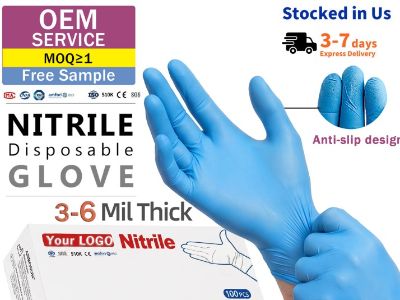
2026/11/12
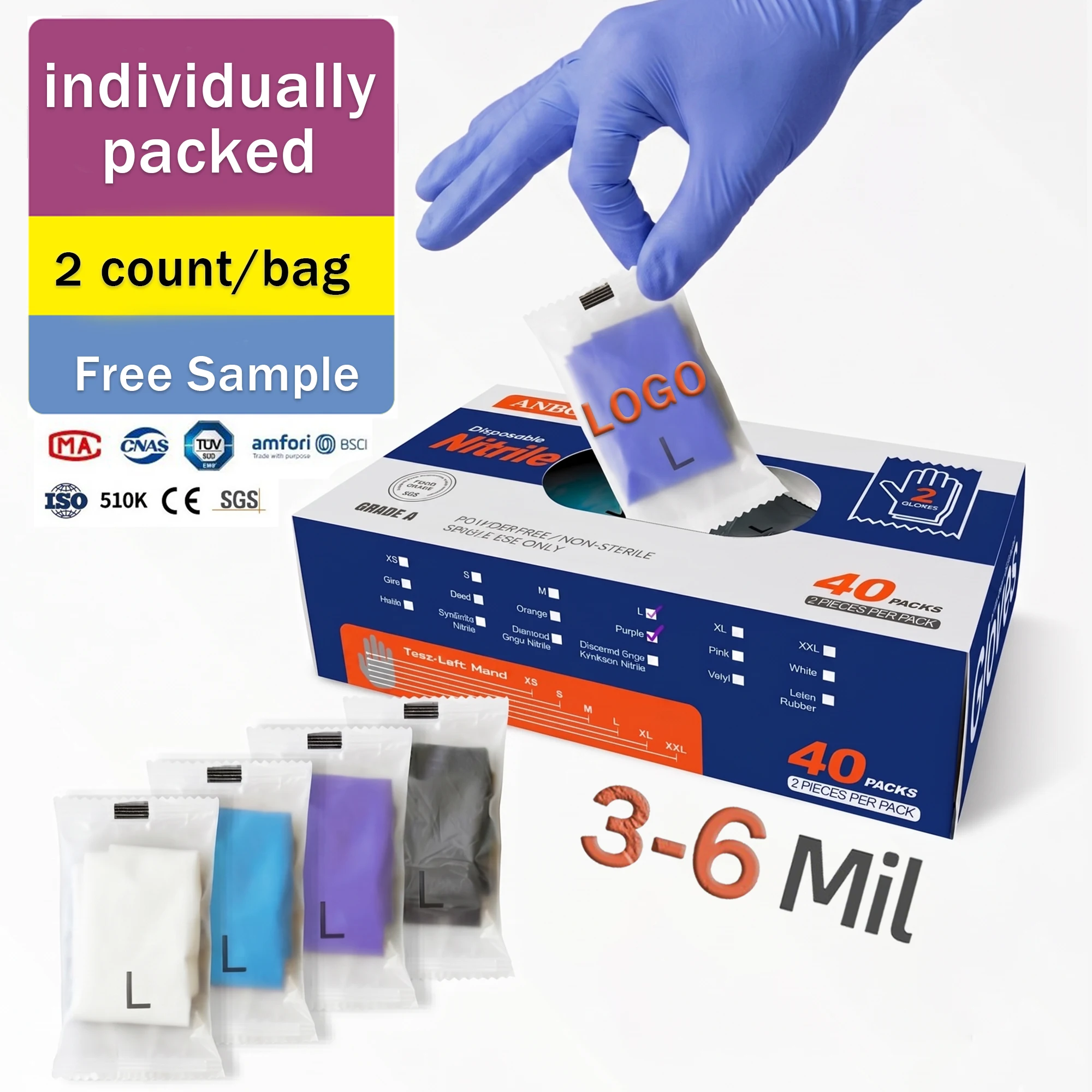
2026/11/11
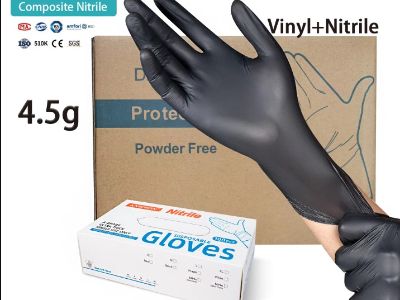
2026/11/10
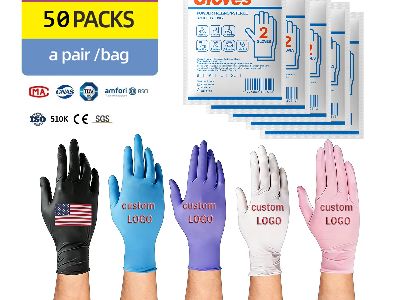
2026/11/09
2026/11/08
2026/11/07

From your logo to your spec, we turn your brand vision into certified reality. Our automated clean-room factory delivers fully customized OEM/ODM nitrile gloves with complete compliance support — FDA 510K, CE, ISO 13485, SGS and more. Low MOQ, free samples, 100% QC on every batch, and responsive after-sales — partner with us for worry-free, certified supply.