EN

how disposable nitrile gloves of know if
2026/11/12
Nitrile gloves are a popular choice in various industries due to their durability and resistance to chemicals, oils, and punctures. However, one common question among purchasing managers and procurement professionals is, how long do nitrile gloves last? Understanding the longevity of these gloves is crucial for ensuring adequate supply and maintaining safety standards. This article will address essential factors affecting the lifespan of free nitrile gloves, helping professionals make informed decisions when sourcing these products.
When selecting nitrile gloves for long-term use, several factors must be considered. First, the thickness of the gloves significantly impacts their durability; thicker gloves generally offer better protection and longer wear time. Nitrile gloves come in various thicknesses, typically ranging from 3 mil to 8 mil, with thicker options being more robust for heavy-duty applications.
Second, the formulation of the nitrile material can affect the glove's resistance to chemicals and punctures. High-quality single use nitrile gloves, like those produced by Anboson Technology, utilize advanced chlorination technology to enhance their tensile strength and oil resistance, leading to increased longevity. Buyers should also consider the gloves' intended use whether for medical, industrial, or food service applications as certain formulations may be better suited for specific environments.
Lastly, proper storage conditions can also influence the lifespan of nitrile gloves. Gloves should be kept away from direct sunlight, humidity, and extreme temperatures to maintain their structural integrity and performance over time.
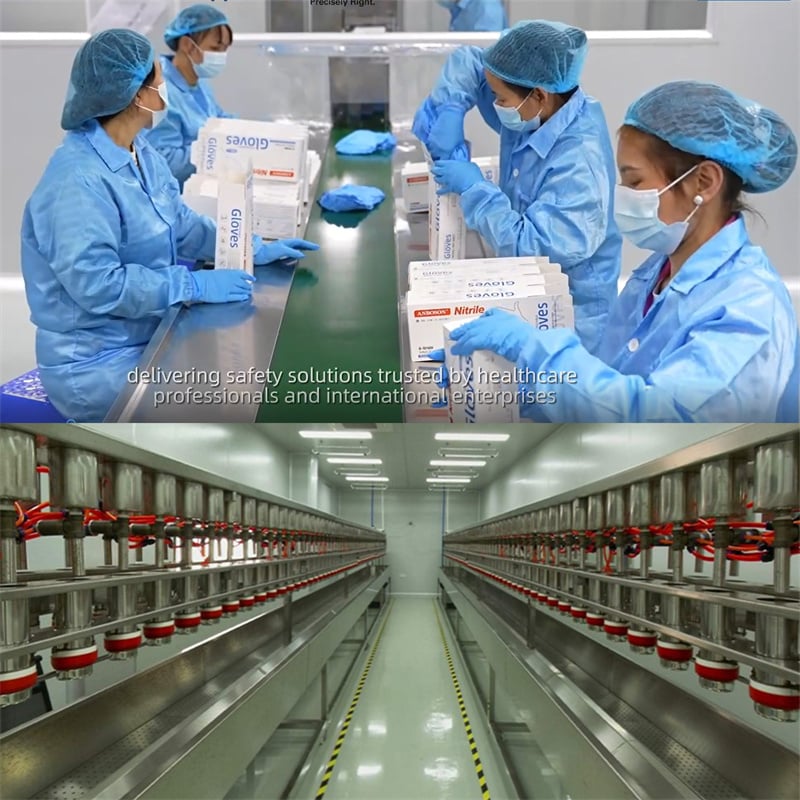
Sourcing high-quality nitrile gloves requires evaluating potential suppliers based on their manufacturing capabilities, certifications, and product offerings. Look for manufacturers like Anboson Technology, which boasts 20 years of experience in nitrile gloves production and has established a strong reputation in over 150 countries.
Consider suppliers that provide detailed product specifications, including material composition, thickness, and certifications such as ISO and CE. These certifications indicate compliance with international safety standards and ensure that the gloves meet performance requirements. Additionally, a supplier's ability to support OEM/ODM capabilities can be invaluable for businesses requiring customized solutions.
Conducting thorough research and requesting samples for testing can help ensure that the gloves sourced will meet the specific needs of your operation while offering longevity.
The cost of nitrile gloves is influenced by various factors, many of which directly impact their durability. One primary factor is the quality of raw materials used in production. Higher-quality nitrile compounds tend to be more expensive but provide better resistance to wear and chemical exposure, translating to longer-lasting products.
Additionally, the manufacturing process plays a crucial role in determining glove durability. Advanced production techniques, like the chlorination method employed by Anboson Technology, enhance the gloves' strength and flexibility, often justifying a higher price point.
Ultimately, while it may be tempting to opt for lower-cost options, investing in higher-quality nitrile gloves can lead to reduced replacement frequency and overall cost savings in the long run.
Nitrile gloves are renowned for their durability, which stems from their synthetic rubber composition. Unlike latex gloves, nitrile gloves do not cause allergic reactions, making them suitable for a wider range of users. Their chemical resistance allows them to withstand exposure to oils, solvents, and other hazardous materials, making them ideal for industrial applications.
The unique properties of nitrile also contribute to their puncture resistance and tensile strength. This durability is crucial in environments where physical hazards are present, such as in manufacturing or medical settings. Buyers should look for gloves with a higher puncture resistance rating, as this can significantly extend the usability of the gloves in demanding tasks.
Moreover, gloves that are treated with chlorination not only improve grip and comfort but also enhance the gloves' resistance to degradation over time. This treatment can be particularly beneficial in applications that require extended wear.
Despite their advantages, nitrile gloves can present some challenges that buyers should be aware of. One common issue is the potential for glove tearing, especially in thinner varieties. To mitigate this, it is essential to select the appropriate thickness based on the specific application and to ensure that users are trained in proper glove donning and usage techniques.
Another issue is the possibility of allergic reactions to the chemicals used in the manufacturing process. While nitrile gloves are generally safer than latex, some users may still experience sensitivities. In such cases, sourcing gloves specifically labeled as "low-allergen" or "non-sensitizing" can help reduce the risk.
Lastly, improper storage can lead to a reduction in glove performance. Ensure that gloves are stored in a cool, dry place and are not exposed to direct sunlight or extreme temperatures, as these conditions can cause premature degradation.
In summary, understanding the various aspects of nitrile gloves, including their lifespan, sourcing, cost factors, material benefits, and common issues, can significantly enhance the decision-making process for buyers. By prioritizing quality and suitability for specific applications, purchasing managers can ensure that they select nitrile gloves that not only meet their immediate needs but also provide long-lasting performance.
2026/11/12
2026/11/11
2026/11/10
2026/11/09
2026/11/08
2026/11/07

From your logo to your spec, we turn your brand vision into certified reality. Our automated clean-room factory delivers fully customized OEM/ODM nitrile gloves with complete compliance support — FDA 510K, CE, ISO 13485, SGS and more. Low MOQ, free samples, 100% QC on every batch, and responsive after-sales — partner with us for worry-free, certified supply.