EN

how disposable nitrile gloves of know if
2026/11/12
Nitrile gloves are a popular choice in various industries due to their protective qualities, comfort, and versatility. The question of how protective are nitrile gloves is vital for purchasing managers and safety officers who need to ensure their teams are adequately protected from chemicals, contaminants, and physical hazards. This article will explore key specifications to evaluate when buying nitrile gloves in bulk, their application scenarios, common problems, quality factors, and how Anboson Technology's manufacturing expertise contributes to glove quality control.
When purchasing nitrile gloves, several specifications should be evaluated to ensure they meet your operational needs. These include:
Thickness: Nitrile gloves typically come in various thicknesses, usually ranging from 3 mils to 8 mils. A thicker glove offers better protection against punctures and chemicals, while thinner gloves may provide enhanced dexterity. It's crucial to select a thickness that aligns with the tasks your team will be performing.
Tensile Strength: This property indicates the glove's ability to withstand stretching and stress without breaking. Higher tensile strength generally means better durability and protection. For industries dealing with sharp objects or heavy machinery, a glove with high tensile strength is essential.
Chemical Resistance: Nitrile gloves offer varying levels of resistance to different chemicals. Assess the specific chemicals your workers will handle and verify the glove’s compatibility through manufacturer data sheets.
Size and Fit: Proper fit is vital for maximum dexterity and comfort. Gloves that are too tight can cause hand fatigue, while those that are too loose may compromise grip and safety. Request samples to ensure the right fit for your team.
Certifications: Ensure that the gloves meet relevant standards such as ISO and CE certifications. These certifications confirm that the gloves have undergone rigorous testing for quality and safety.
By considering these specifications, buyers can make informed decisions that enhance workplace safety and efficiency.
Nitrile gloves are widely used across various sectors due to their protective properties and comfort. Here are some common application scenarios:
Medical and Healthcare: Nitrile gloves are extensively used in hospitals, clinics, and laboratories for tasks such as examinations, surgeries, and handling hazardous materials. Their puncture resistance and barrier protection make them ideal for preventing cross-contamination.
Food Processing: In the food industry, nitrile gloves help prevent contamination during food preparation and handling. They are preferred over latex gloves as they do not cause allergic reactions and provide excellent grip when handling wet or oily foods.
Manufacturing and Assembly: Workers in manufacturing environments often face risks from chemicals and sharp objects. Nitrile gloves protect against cuts, abrasions, and chemical exposure, making them suitable for assembly line operations.
Automotive and Maintenance: Mechanics and automotive workers frequently use heavy duty nitrile gloves when handling oils, greases, and chemicals. The gloves' oil resistance ensures durability while providing the necessary dexterity for intricate tasks.
Laboratories: In research and chemical labs, nitrile gloves are essential for handling toxic substances and performing experiments, providing a reliable barrier against spills and splashes.
Overall, the versatility of nitrile gloves makes them suitable for a wide range of applications, ensuring safety across various industries.
Despite their benefits, nitrile gloves can encounter certain problems. Here are some common issues along with effective solutions:
Tearing or Puncturing: A common issue is the tearing of gloves during use, especially in high-stress environments. To mitigate this, buyers should opt for gloves with higher tensile strength and ensure that the gloves are the correct size for the user.
Allergic Reactions: Although nitrile gloves are generally hypoallergenic, some users may experience sensitivities. It’s advisable to conduct sensitivity testing with samples before bulk purchase and consider alternatives if needed.
Chemical Compatibility: Not all nitrile gloves offer the same level of chemical protection. Buyers should verify the glove’s chemical resistance to ensure suitability for specific applications. Manufacturers can provide compatibility charts for guidance.
Poor Fit: Gloves that do not fit properly can lead to decreased dexterity and increase the risk of accidents. Implementing a fitting program that allows users to try on various sizes can significantly improve safety and comfort.
By addressing these common issues proactively, purchasers can enhance the effectiveness and safety of nitrile gloves wholesale in their operations.
Quality is critical when selecting nitrile gloves. Here are key quality factors that buyers should consider:
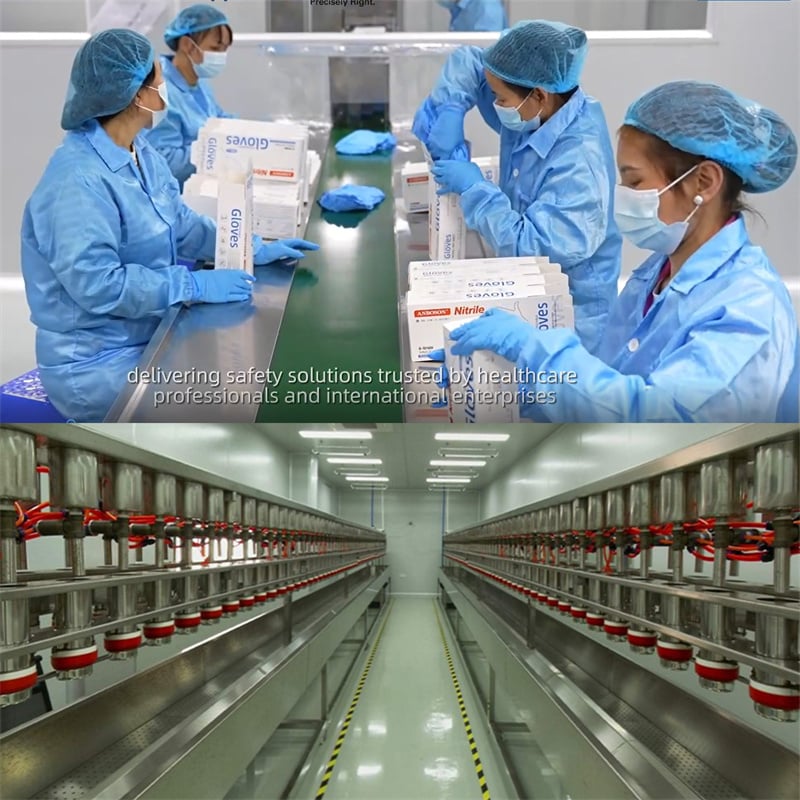
Manufacturing Standards: Ensure that the gloves are produced in facilities adhering to strict quality control standards. Anboson Technology, for instance, utilizes advanced chlorination technology to enhance glove quality and performance.
Material Composition: The quality of the nitrile material directly affects glove performance. Look for gloves made from high-grade nitrile that offers superior elasticity, strength, and chemical resistance.
Production Consistency: Consistent quality across batches is essential for maintaining safety standards. Buyers should inquire about the manufacturer’s quality assurance processes and whether they conduct regular testing.
Performance Testing: Reputable manufacturers often conduct performance tests to determine how gloves perform under various conditions. Requesting test data can provide confidence in the gloves’ protective capabilities.
User Feedback: Real-world feedback from users can provide valuable insights into the glove’s performance and durability. Engage with other companies or industry peers to gather experiences with specific brands or models.
By prioritizing these quality factors, buyers can ensure they are selecting nitrile gloves that meet their safety and performance needs.
At Anboson Technology, our two decades of experience in nitrile glove manufacturing empower us to maintain high standards of quality control. Here’s how our expertise contributes to glove quality:
Advanced Manufacturing Techniques: Utilizing state-of-the-art chlorination technology enhances the gloves' tensile strength and chemical resistance, ensuring they perform well in various applications.
ISO and CE Certifications: Our commitment to quality is reflected in our adherence to international standards. Our gloves are ISO and CE certified, signifying rigorous testing and compliance with safety regulations.
Robust Quality Assurance Processes: We implement comprehensive quality control measures throughout the production process. This includes raw material inspection, in-process testing, and final product evaluations to ensure consistency and reliability.
Customization Capabilities: Understanding that different industries have unique requirements, we offer OEM/ODM services. This flexibility allows us to produce gloves tailored to specific applications, ensuring optimal performance for our clients.
Global Reach: With an annual output of 4.8 billion gloves and distribution across 150 countries, our extensive experience in international markets enhances our ability to meet diverse customer needs reliably.
By leveraging our manufacturing expertise, Anboson Technology ensures that our nitrile gloves provide the protection and performance that buyers expect, fostering trust and confidence in our products.
2026/11/12
2026/11/11
2026/11/10
2026/11/09
2026/11/08
2026/11/07

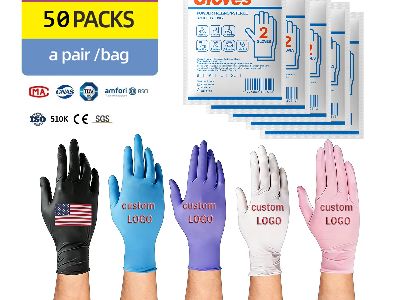
From your logo to your spec, we turn your brand vision into certified reality. Our automated clean-room factory delivers fully customized OEM/ODM nitrile gloves with complete compliance support — FDA 510K, CE, ISO 13485, SGS and more. Low MOQ, free samples, 100% QC on every batch, and responsive after-sales — partner with us for worry-free, certified supply.