EN

how disposable nitrile gloves of know if
2026/11/12
Nitrile disposable gloves are a critical component in various industries, offering protection and versatility for workers. When sourcing these gloves, buyers often have concerns regarding quality, performance, and supplier reliability. This article aims to guide you through the essential specifications to evaluate, where to find trustworthy suppliers, the cost factors associated with bulk orders, how to compare quality across different products, and the applications of nitrile disposable gloves in industrial settings.
When sourcing nitrile disposable gloves, several key specifications are crucial for ensuring the right fit for your application.
Material Composition: Nitrile gloves are made from synthetic rubber, which provides better resistance to punctures, chemicals, and oils compared to latex gloves. This makes them suitable for various applications, from medical to industrial.
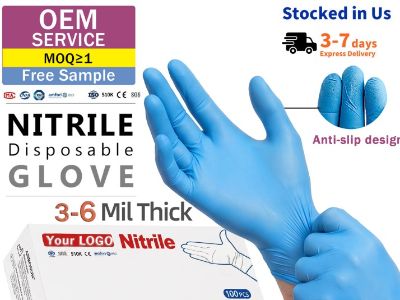
Thickness: The gauge of the glove affects its durability and tactile sensitivity. Typically, thicker gloves offer increased protection but may reduce dexterity. A common thickness ranges from 3 to 8 mils, depending on the intended use.
Size and Fit: Proper sizing is essential for both comfort and protection. Gloves that are too tight can cause hand fatigue, while loose gloves may lead to decreased dexterity and the risk of exposure.
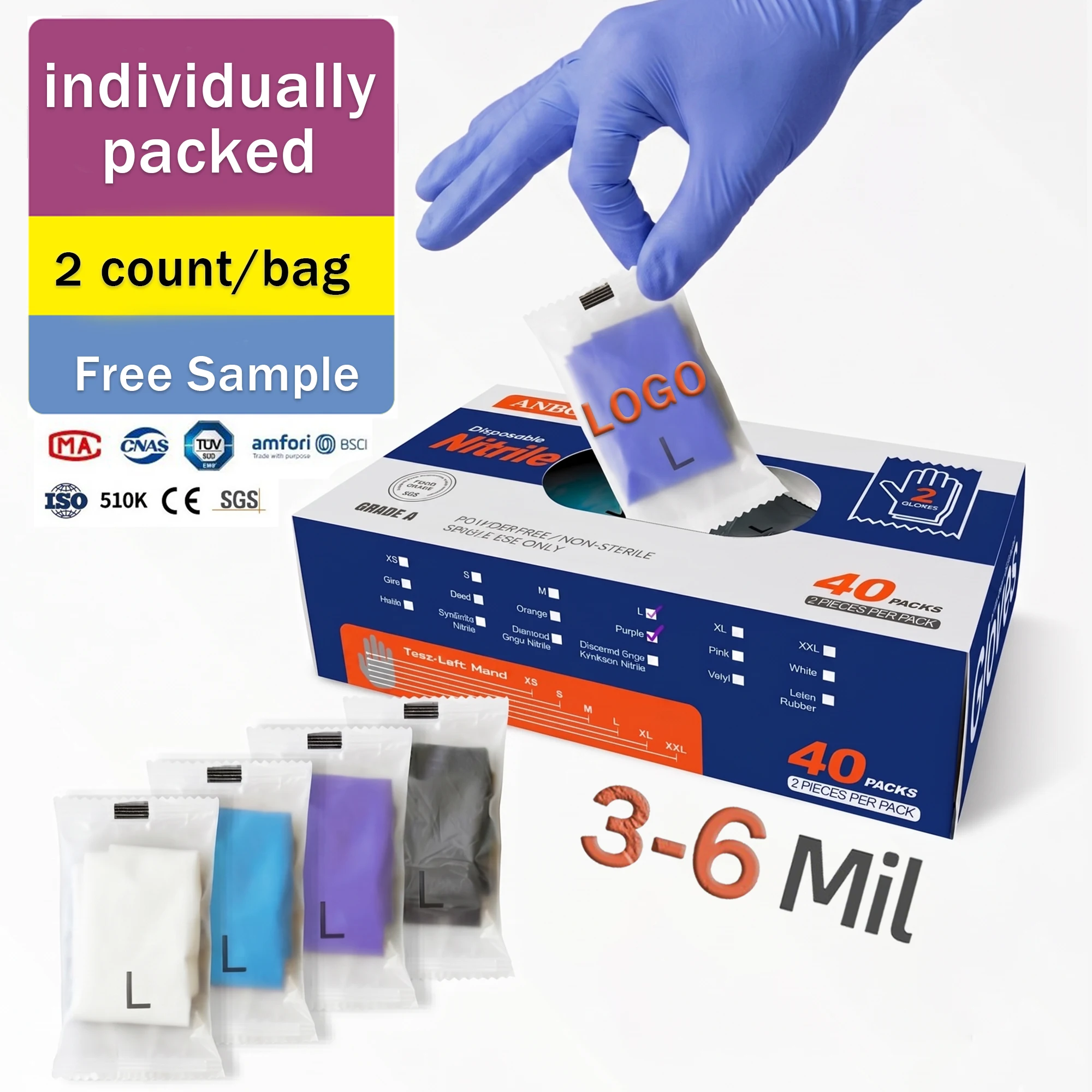
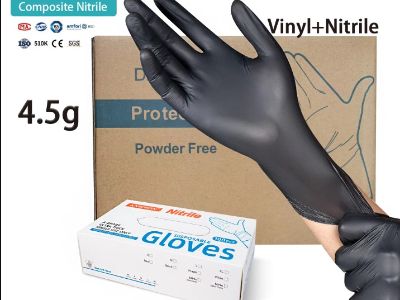
Certification Standards: Look for nitrile gloves powder free that meet ISO and CE certifications. These certifications indicate adherence to international safety and quality standards.
Chlorination Process: Advanced chlorination technology, used by manufacturers like Anboson Technology, enhances the glove's surface, making it easier to don and doff while maintaining durability.
Understanding these specifications helps ensure that you select a nitrile glove that meets your safety and performance requirements.
Finding a trustworthy supplier for nitrile disposable gloves involves research and evaluation.
Industry Trade Shows: Attending industry-specific trade shows can provide direct access to manufacturers and suppliers. You can evaluate product samples and speak with representatives about their capabilities.
Online Marketplaces: Websites like Alibaba and Global Sources allow buyers to connect with manufacturers globally. Look for suppliers with verified ratings and customer reviews to gauge reliability.
Networking: Reach out to industry contacts or join professional organizations. Referrals from peers can lead to reputable suppliers with proven track records.
Manufacturer Websites: Companies like Anboson Technology offer detailed information on their production quality across different nitrile disposable gloves capabilities, certifications, and product offerings. Evaluate their website for transparency and responsiveness to inquiries.
Request for Quotation (RFQ): When you identify potential suppliers, sending free nitrile gloves can help you compare pricing, lead times, and terms. Ensure that you provide detailed information about your requirements to get accurate quotes.
By combining these approaches, you can identify reliable suppliers who meet your needs.
Understanding the cost factors involved in bulk orders of nitrile disposable gloves can help you make informed purchasing decisions.
Order Quantity: Generally, larger orders result in lower per-unit costs. Suppliers may offer tiered pricing based on volume, so assess your usage needs carefully.
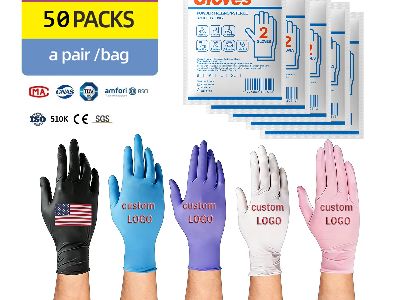
Customization: If you require customized gloves such as specific sizes, colors, or branding this can increase costs. Discuss customization options with your supplier early in the negotiation process.
Shipping and Handling: Shipping costs can significantly impact your total expenditure. Consider logistics, such as shipping distance and method, which can affect lead times and costs.
Material Costs: Fluctuations in the price of raw materials can affect glove pricing. Stay informed about market trends that may influence the cost of nitrile.
Supplier Terms: Evaluate payment terms, minimum order quantities (MOQ), and any applicable discounts for early payment or long-term contracts.
By considering these factors, you can negotiate better pricing and align your budget with your procurement strategy.
Comparing the quality of nitrile disposable gloves requires a systematic approach. Here are some key aspects to consider:
Physical Properties: Inspect the gloves for tensile strength and elasticity. Higher-quality nitrile gloves should exhibit good stretch without tearing. Conducting a simple tear test can help assess strength.
Quality Certifications: Verify that gloves meet relevant standards such as ASTM or EN455. This information is typically available on the packaging or product documentation.
Sample Testing: Request samples from potential suppliers to evaluate performance under actual working conditions. Testing for fit, comfort, and resistance to chemicals relevant to your application is crucial.
Feedback from Users: Seek testimonials or reviews from other users in your industry. This can provide insights into the durability and performance of specific glove brands.
Inspection Procedures: Understand the supplier's quality control processes. Reliable manufacturers implement strict quality checks throughout the production process, which can be a strong indicator of product quality.
By focusing on these areas, you can make informed decisions that prioritize quality and suitability for your specific applications.
Nitrile disposable gloves serve a variety of applications across different industrial sectors due to their durability and protective properties:
Healthcare: In medical environments, nitrile gloves are preferred for their resistance to chemicals and biological hazards, making them essential for examinations, surgeries, and laboratory work.
Manufacturing: In manufacturing settings, these gloves protect workers from exposure to oils, chemicals, and sharp objects. Their tactile sensitivity is crucial for assembly tasks and precision work.
Food Processing: Nitrile gloves are widely used in the food industry, offering a high level of hygiene and protection against contaminants. They comply with food safety regulations, allowing safe handling of food products.
Automotive: Workers in the automotive industry benefit from nitrile powder free disposable gloves resistance to grease and oils, providing protection while maintaining dexterity for intricate tasks.
Chemical Handling: In environments where exposure to hazardous substances is common, nitrile gloves provide a protective barrier against harmful chemicals, ensuring worker safety.
By understanding these applications, businesses can select the right nitrile disposable gloves that meet their specific operational requirements.
In summary, nitrile disposable gloves are a versatile tool across various industries. By focusing on specifications, reliable suppliers, cost factors, quality comparison, and applications, buyers can make informed choices that enhance workplace safety and efficiency.
2026/11/12
2026/11/11
2026/11/10
2026/11/09
2026/11/08
2026/11/07

From your logo to your spec, we turn your brand vision into certified reality. Our automated clean-room factory delivers fully customized OEM/ODM nitrile gloves with complete compliance support — FDA 510K, CE, ISO 13485, SGS and more. Low MOQ, free samples, 100% QC on every batch, and responsive after-sales — partner with us for worry-free, certified supply.