EN

how disposable nitrile gloves of know if
2026/11/12
Nitrile gloves have become an indispensable protective tool in the aerospace maintenance sector. Thanks to their exceptional chemical resistance—particularly against highly aggressive aviation fluids like Skydrol—and their superior tear resistance, these gloves ensure the safety of maintenance personnel while preserving the pristine condition of critical aircraft systems.
Introduction The aerospace industry is built upon a foundation of absolute precision, unyielding safety standards, and rigorous maintenance protocols. Every commercial flight, cargo transport, and military operation relies heavily on the meticulous work performed during Maintenance, Repair, and Overhaul (MRO) procedures. In an environment where the tolerance for error is strictly zero, every tool and piece of equipment used by technicians must perform flawlessly. While massive wrenches, diagnostic computers, and hydraulic lifts dominate the visual landscape of an aircraft hangar, one of the most critical pieces of safety equipment is often the most unobtrusive: the disposable protective glove. Over the past decade, the aviation industry has witnessed a massive shift away from traditional latex and vinyl, with specialized nitrile gloves becoming the undeniable gold standard. This article explores the multifaceted applications of nitrile gloves in aerospace maintenance, detailing why their unique chemical and physical properties are vital for modern aviation operations.
The Unique Hazards of Aerospace MRO
The environment inside an aerospace maintenance facility is fraught with unique and severe hazards that challenge the integrity of standard personal protective equipment (PPE). Technicians are routinely exposed to a complex cocktail of aggressive chemicals and solvents. These include aviation turbine fuels (such as Jet A-1), heavy-duty industrial degreasers, lubricating oils, and specialized sealants. However, the most notorious chemical hazard in aviation maintenance is aviation hydraulic fluid, most commonly known by the brand name Skydrol.
Skydrol is a fire-resistant phosphate ester-based fluid that is absolutely essential for operating an aircraft's flight control surfaces, landing gear, and braking systems. While excellent for aviation safety, Skydrol is incredibly aggressive toward many plastics, paints, and organic materials—including human skin. Exposure can cause severe chemical burns, dermatitis, and systemic health issues. Standard latex or vinyl gloves melt, swell, or rapidly degrade upon contact with Skydrol, offering virtually zero protection and creating a sticky, dangerous mess that can contaminate the aircraft's internal systems. Furthermore, mechanics must navigate tight, confined spaces filled with sharp safety wire (lockwire), exposed metal edges, and intricate wiring harnesses, making mechanical protection just as important as chemical resistance.
The Science Behind Nitrile's Supremacy
In the face of these severe conditions, nitrile gloves offer a scientifically superior solution. Nitrile is a synthetic copolymer formed from acrylonitrile and butadiene. This specific chemical structure provides an exceptional barrier against non-polar solvents, oils, and hydrocarbon-based fuels. Most importantly, specially formulated, heavy-duty nitrile gloves offer a highly effective barrier against phosphate ester fluids like Skydrol.
When subjected to standardized chemical permeation testing, heavy-duty nitrile gloves demonstrate significantly longer breakthrough times compared to other disposable glove materials, giving mechanics a crucial window of safe working time. Beyond chemical resistance, the physical properties of nitrile are ideally suited for the hangar. Nitrile possesses a high tensile strength and is remarkably resistant to punctures, snags, and tears. If a nitrile glove does puncture, it tends to tear completely, immediately alerting the technician to the breach so they can replace the glove, whereas latex can suffer from microscopic "pinhole" leaks that go unnoticed while chemicals seep through to the skin.
Case Study: Hydraulic System Overhaul and Landing Gear Maintenance
To understand the practical application of these gloves, consider the rigorous process of overhauling an aircraft's landing gear. This procedure is heavily reliant on hydraulic systems and involves the meticulous disassembly, cleaning, inspection, and reassembly of massive metal components. A senior technician tasked with replacing actuator seals will don heavy-duty (typically 6 to 8 mil thickness) nitrile gloves.
As the technician drains the residual Skydrol from the lines, the gloves provide an impenetrable barrier against splashes. When the technician must reach into the tight confines of the wheel well—an area fraught with sharp brackets and safety wire—the puncture resistance of the nitrile material protects their hands from lacerations. Moreover, despite the thickness of the heavy-duty glove, modern manufacturing techniques ensure that the material remains flexible, offering the high degree of tactile sensitivity required to seat delicate O-rings and thread microscopic sensors without cross-threading. The textured fingertips of the nitrile gloves also provide a secure grip on tools and components that are slick with oil, preventing dropped items that could result in costly Foreign Object Debris (FOD) damage.
Compliance, Ergonomics, and Industry Standards
The adoption of nitrile gloves in aerospace is not merely a matter of preference; it is heavily driven by stringent occupational health and safety regulations. Premium nitrile gloves used in MRO environments must comply with rigorous international standards, such as EN ISO 374 for chemical risk and ASTM F739 for permeation testing. Procurement departments carefully review safety data sheets to ensure the gloves meet the specific hazard profiles of their hangars.
Furthermore, ergonomics plays a vital role. Aircraft maintenance often involves long shifts and physically demanding tasks. Because nitrile is a synthetic material, it is 100% free of natural rubber latex proteins. This eliminates the risk of Type I allergic reactions, which can be career-ending for aviation mechanics who develop latex sensitization over time. The body-heat-activated conforming nature of nitrile also reduces hand fatigue, allowing technicians to work comfortably for extended periods.
Conclusion In conclusion, the integration of high-quality nitrile gloves into aerospace maintenance protocols is a critical component of modern aviation safety. By providing an unmatched barrier against aggressive chemicals like Skydrol, offering superior mechanical protection against the physical hazards of the aircraft structure, and ensuring the tactile sensitivity required for precision engineering, nitrile gloves protect the industry's most valuable asset: its skilled workforce. As aircraft systems become more advanced and maintenance schedules more demanding, the reliance on scientifically engineered protective equipment like nitrile gloves will only continue to grow, quietly ensuring that every flight takes off and lands safely.
2026/11/12
2026/11/11
2026/11/10
2026/11/09
2026/11/08
2026/11/07
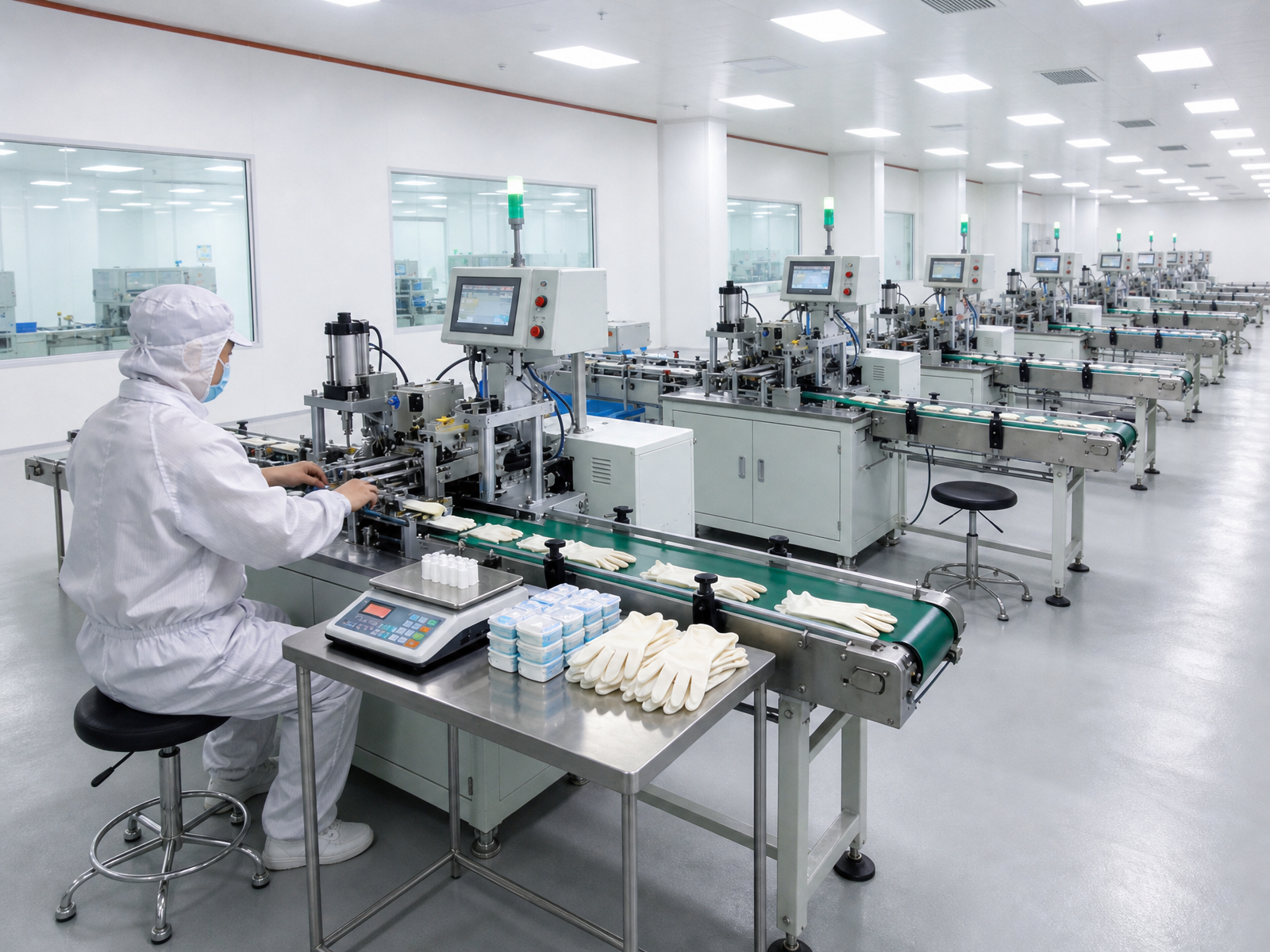
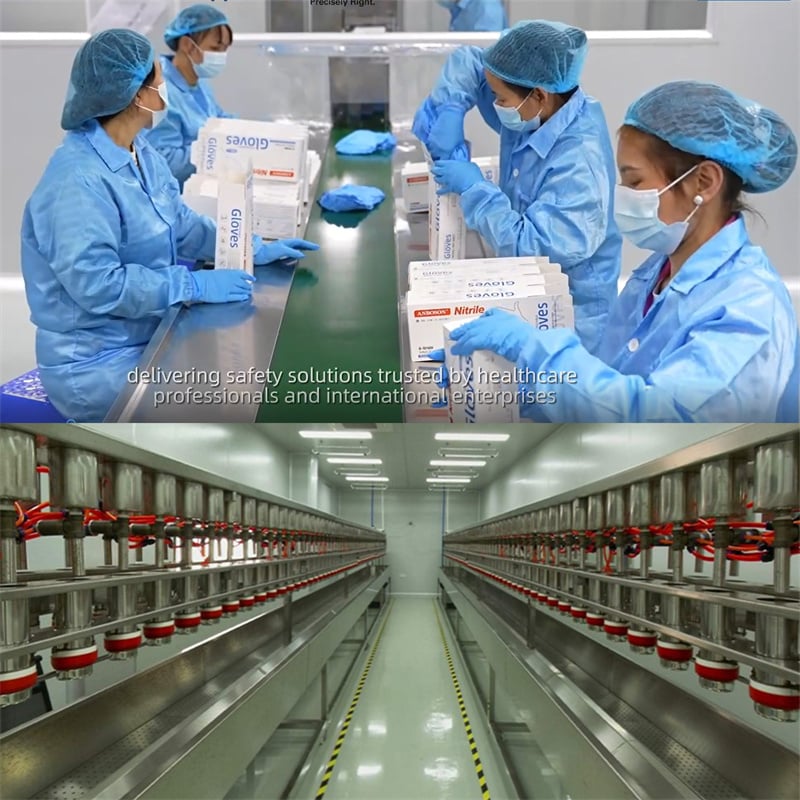
From your logo to your spec, we turn your brand vision into certified reality. Our automated clean-room factory delivers fully customized OEM/ODM nitrile gloves with complete compliance support — FDA 510K, CE, ISO 13485, SGS and more. Low MOQ, free samples, 100% QC on every batch, and responsive after-sales — partner with us for worry-free, certified supply.