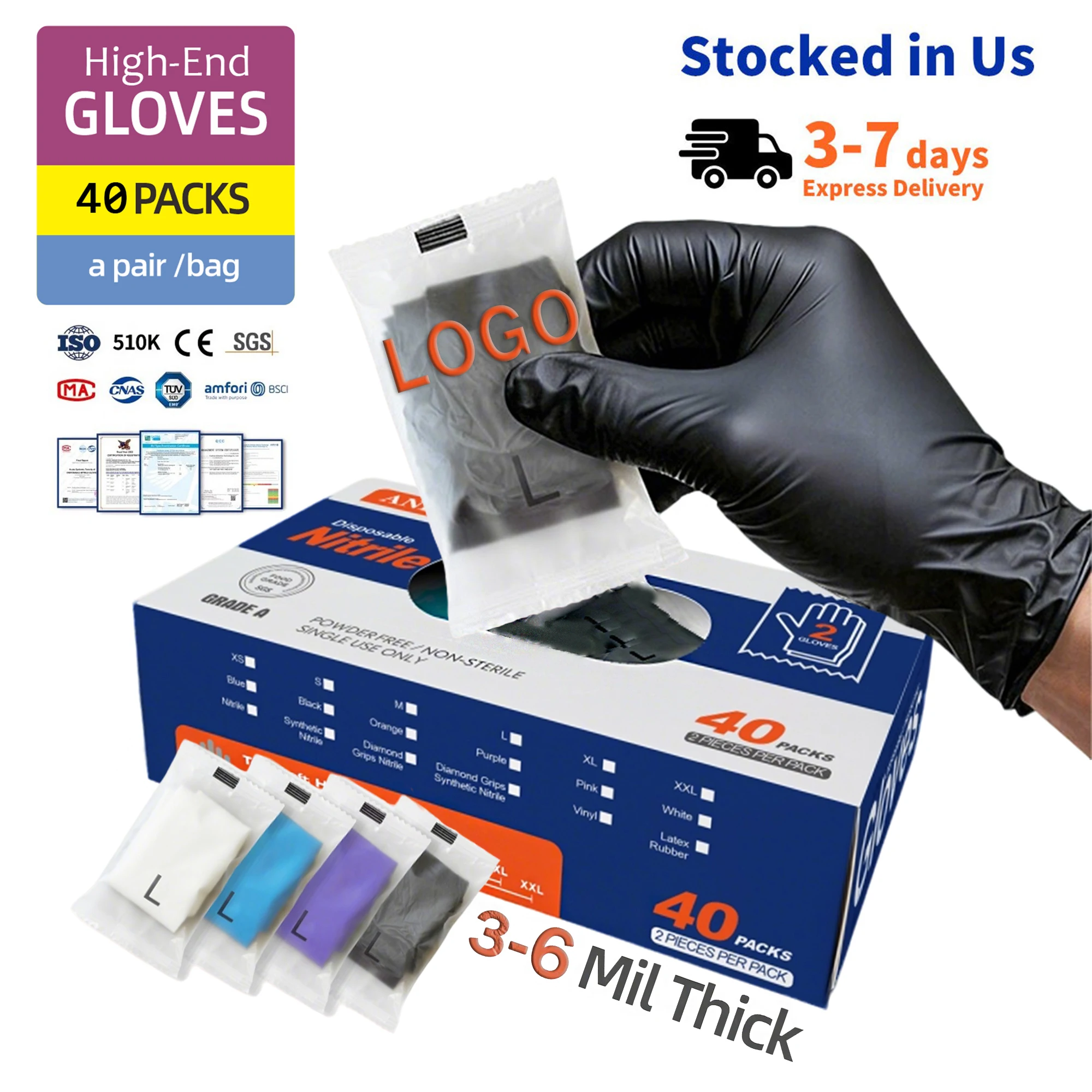
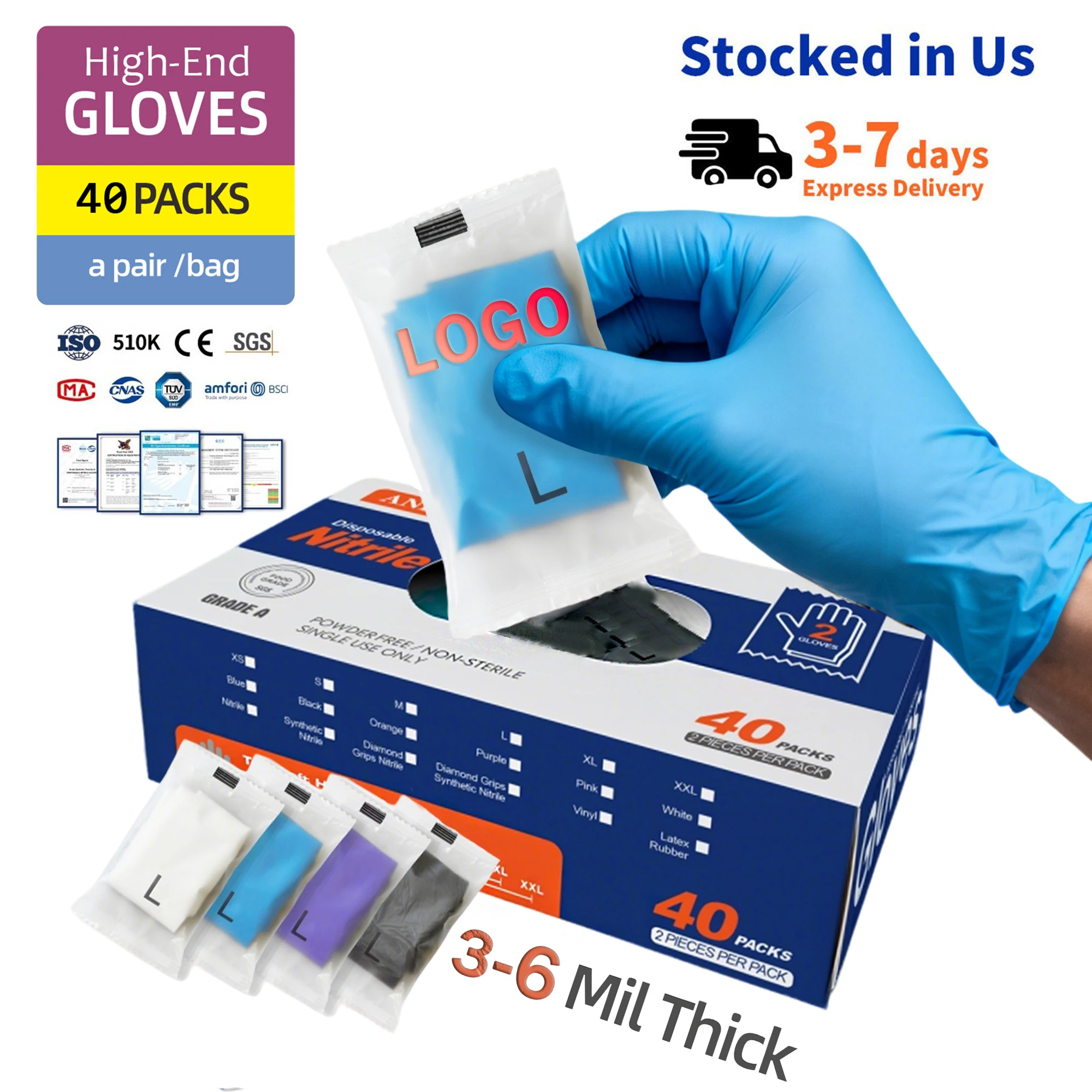
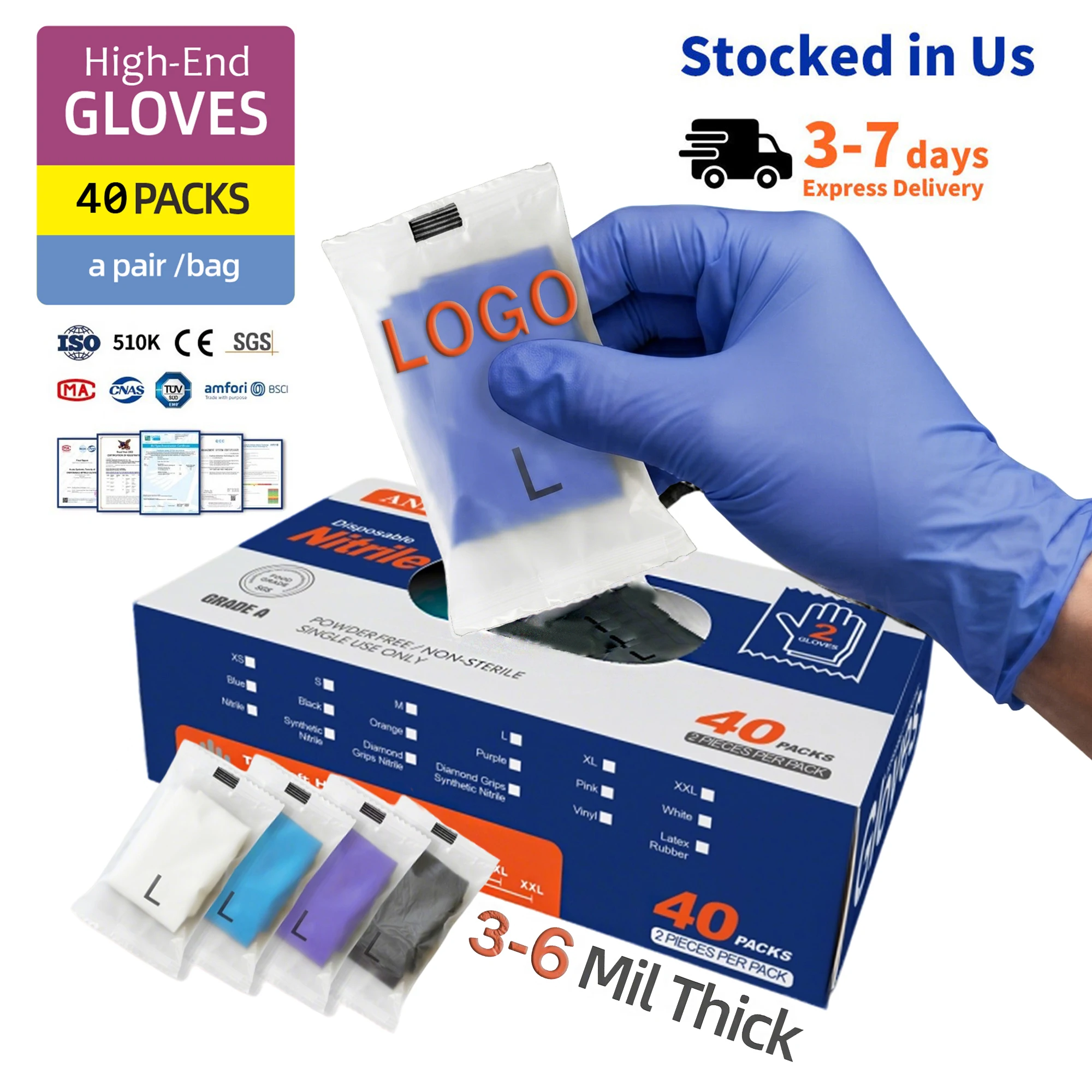
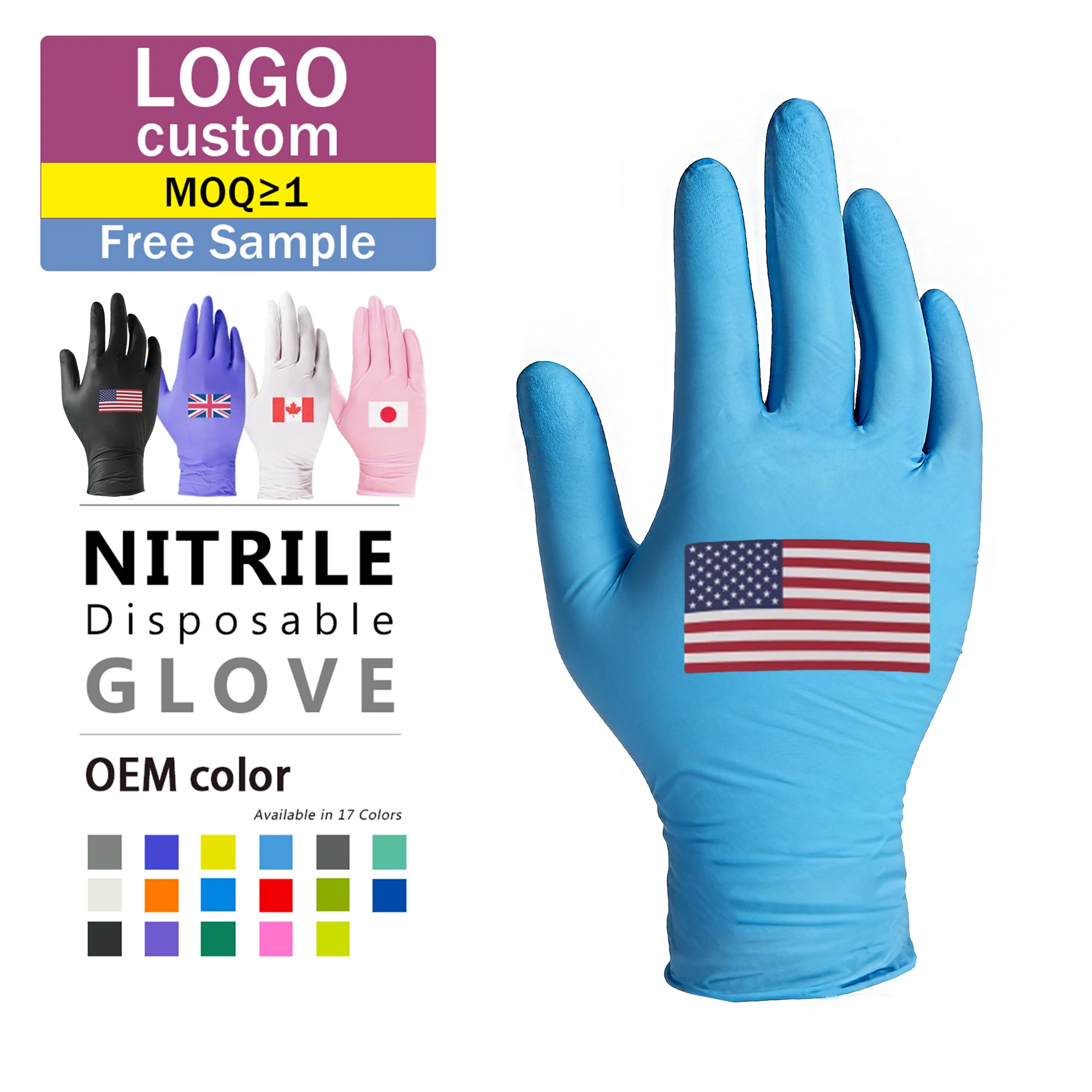
Key Specifications of Large Nitrile Gloves for Your Sourcing Needs
When sourcing large nitrile gloves, pay attention to the following specifications:
Material Composition: Nitrile is known for its resistance to oils, chemicals, and punctures. Ensure the gloves meet your specific resistance requirements based on your application.
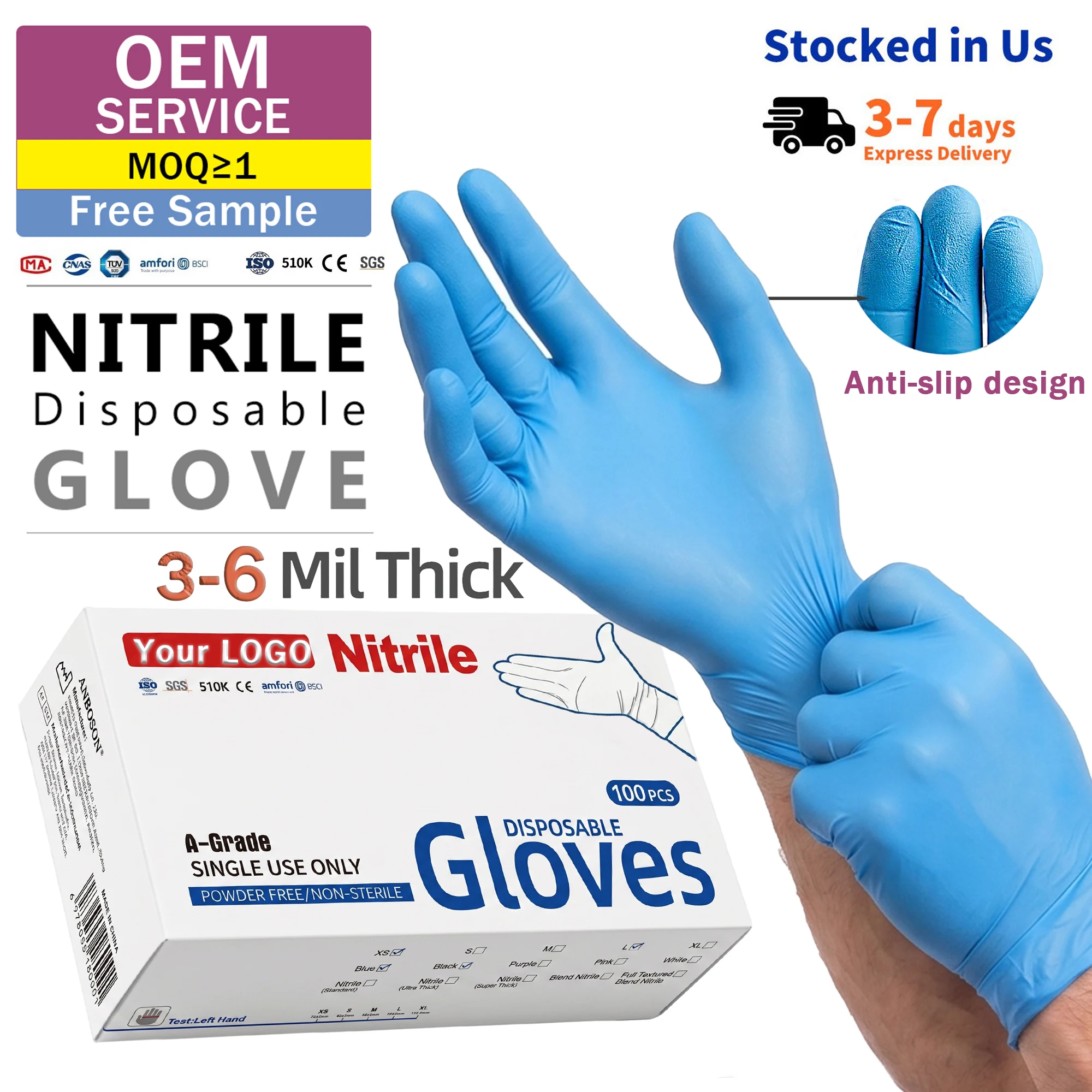
Thickness: Common thicknesses range from 3 to 8 mils. Thicker gloves provide more durability, while thinner options offer better tactile sensitivity. The choice should align with the expected exposure and handling requirements.
Length: Gloves are available in various lengths, typically ranging from 9 to 12 inches. Longer gloves provide additional forearm protection, which can be critical in certain applications.
Powdered vs. Powder-Free: Powdered gloves can be easier to put on, but powder can contaminate sterile environments. Powder-free options are often preferred in medical and food industries.
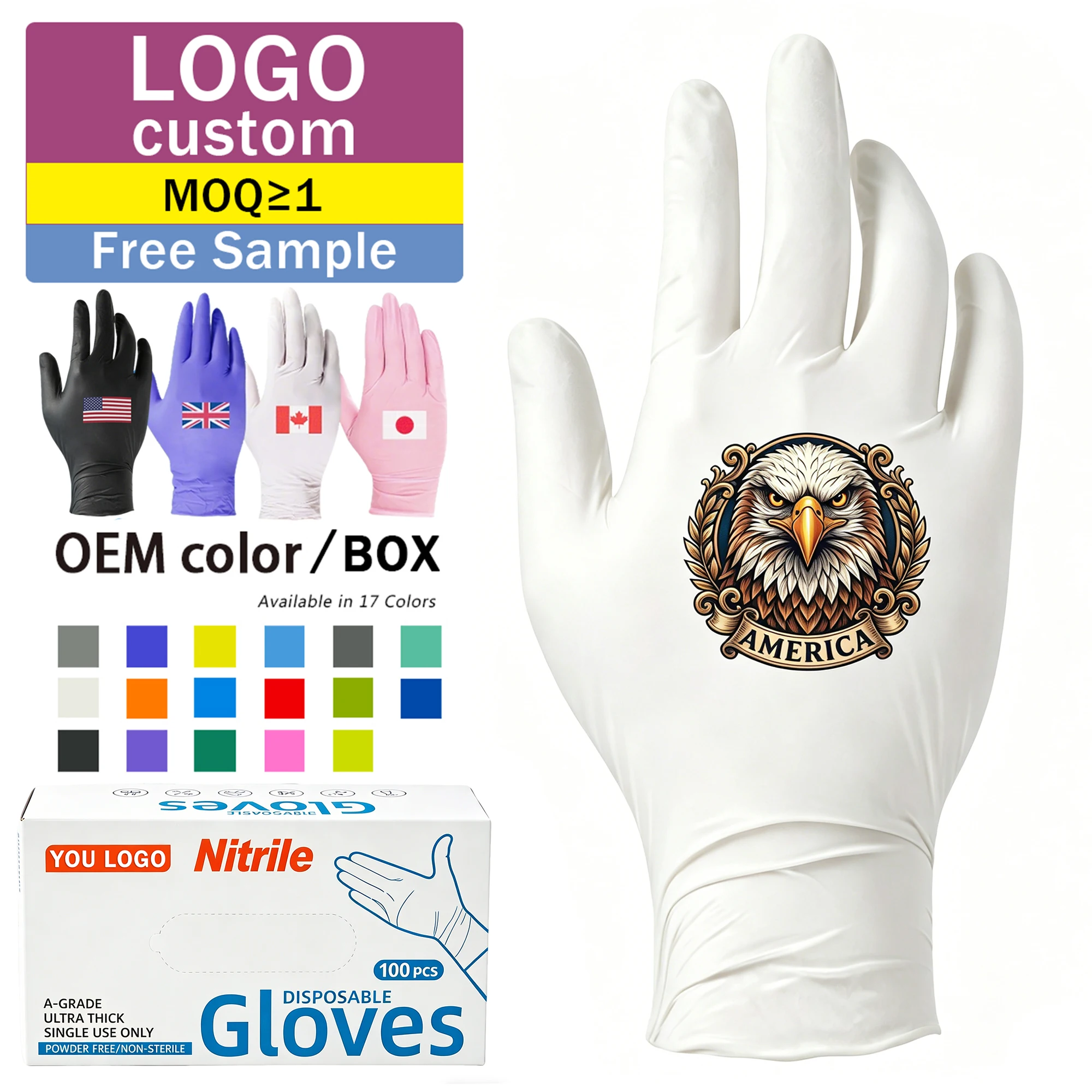
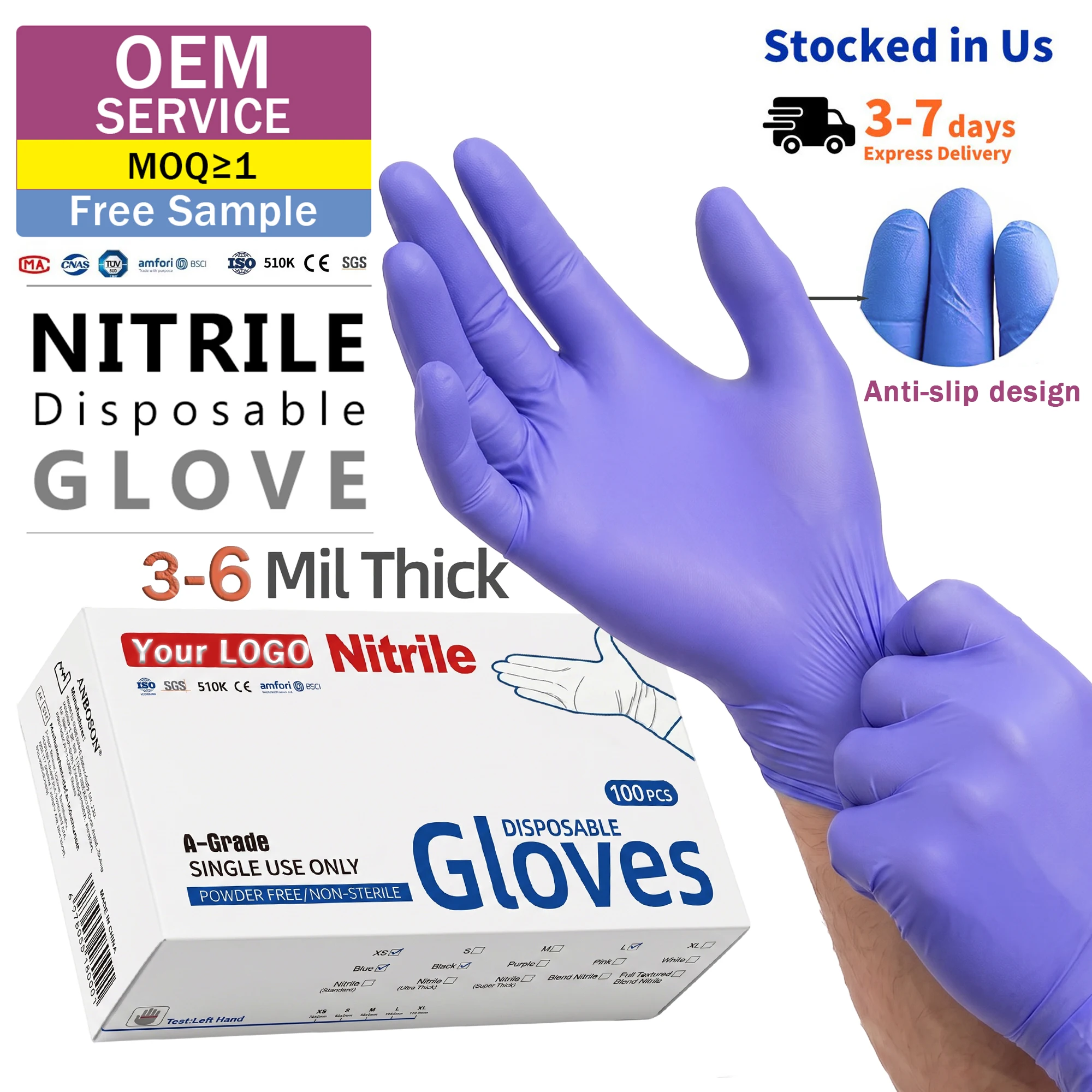
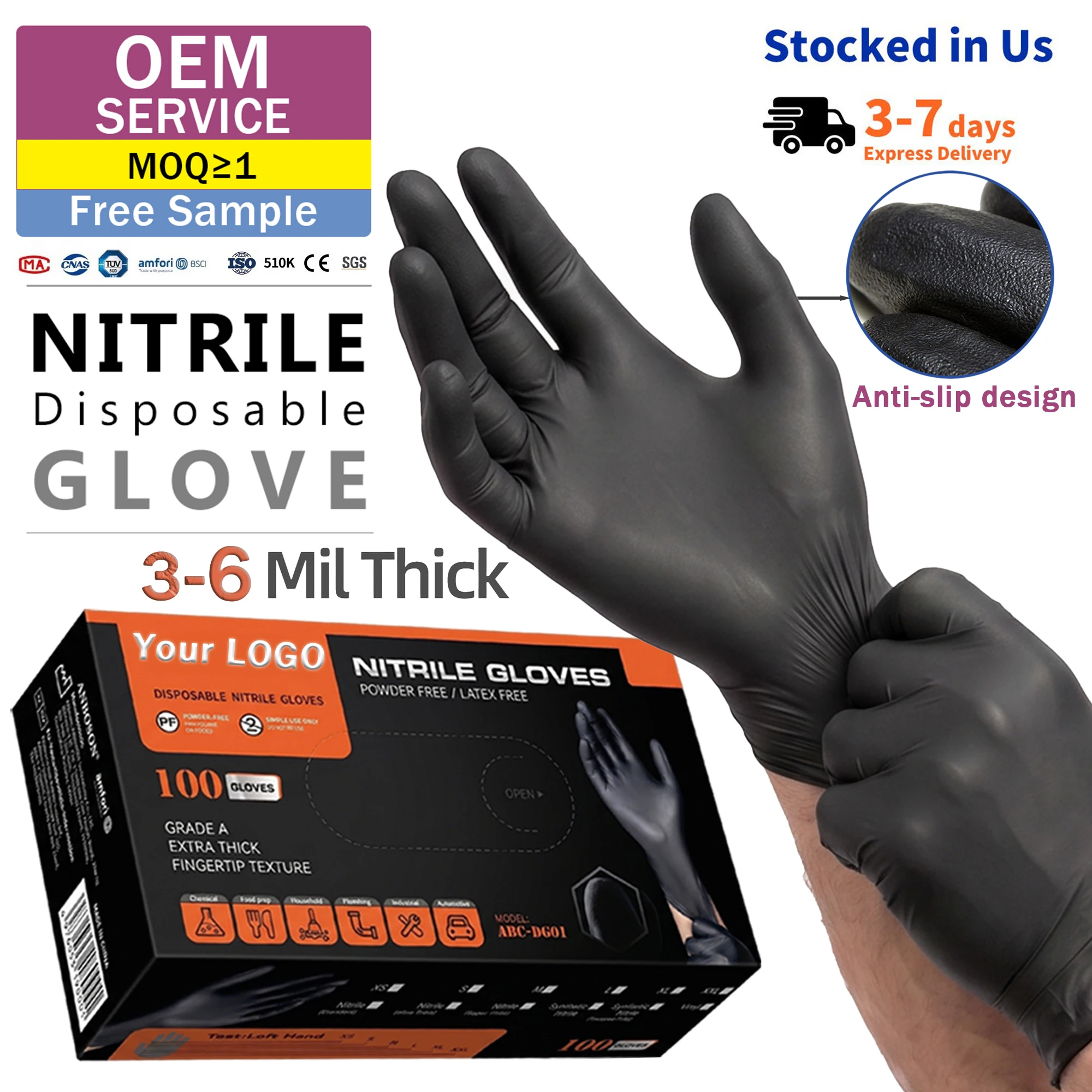
Color: While black nitrile gloves are popular for their professional appearance and ability to hide stains, the color can also be a consideration for specific applications, such as those requiring visibility of contaminants.
Understanding these specifications will enable you to select gloves that meet both safety and functional requirements for your business.


 EN